Zentraix
Zentraix
Zentraix
Discover our flagship AI GPU servers, PCIe RAID controllers, high-speed storage array cards, and enterprise-grade networking components engineered for zero-loss connectivity.
Navigating the transition to 800G/1.6T networking, PAM4 signaling, ultra-low latency optical links, and high-density copper interconnects in the generative AI era.
As Artificial Intelligence workloads transition from sub-billion parameter models to massive multi-trillion parameter LLMs (Large Language Models), traditional cabling architectures present severe bandwidth bottlenecks. Modern data centers require microsecond-level synchronization across thousands of GPU nodes. Modern China network cabling manufacturers are driving innovation in MTP/MPO optical trunk cables, ultra-low-loss single-mode fibers, and customized Direct Attach Copper (DAC) assemblies designed specifically for spine-leaf and Fat-Tree topologies.
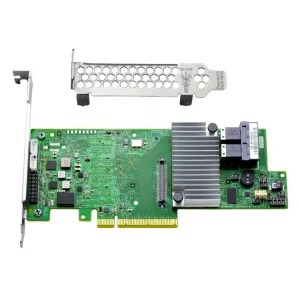
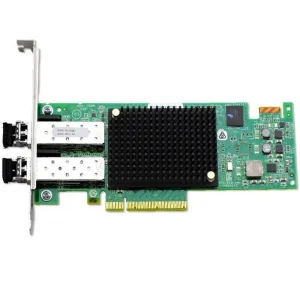
Internal rack server communication relies heavily on seamless interconnectivity between RAID controller cards, NVMe storage arrays, and host processors. Products such as PCIe 4.0 X8 array cards and 32Gb/s Fibre Channel HBA adapters demand uncompromised signal integrity. Enterprise cabling solutions must feature EMI/RFI shielding, optimized wire gauge, and precise impedance matching to prevent packet dropouts and packet re-transmission delays during intense read/write execution cycles.
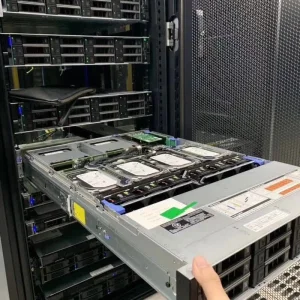
Thermal management is directly correlated with cable management. In high-density 2U and 4U GPU server chassis, bulky cabling blocks critical airflow pathways, forcing cooling fans to operate at maximum RPMs and escalating power utilization effectiveness (PUE) metrics. Leading Chinese network cabling solution providers engineered ultra-slim Cat6A/Cat8 patch cords and high-density ribbon optical jumpers that minimize spatial footprint while maximizing thermal efficiency.
A world-class engineering team committed to pioneering enterprise server platforms, high-performance computing hardware, and customized interconnect solutions.
Zentraix Computing Technology Co., Ltd. is a professional manufacturer and solution provider specializing in AI GPU servers, high-performance computing (HPC) systems, GPU clusters, and customized AI infrastructure solutions. Established in 2016, Zentraix has rapidly grown into a trusted supplier serving global enterprises, research institutions, cloud service providers, and AI startups.
Located in Guangdong, China, our modern manufacturing facility integrates production, testing, assembly, and R&D operations under one roof. Supported by a team of over 120 professionals, including 68 experienced R&D engineers, Zentraix continuously invests in innovation. Last year alone, we successfully launched more than 120 new server configurations and customized computing solutions to meet evolving demands.
Quality is at the core of everything we do. Our dedicated QA department conducts rigorous verification, burn-in testing, performance benchmarking, thermal stability testing, and Fluke/optical signal analysis before global shipment. With over 8 years of export experience, we maintain partnerships with over 850 global supply chain partners.
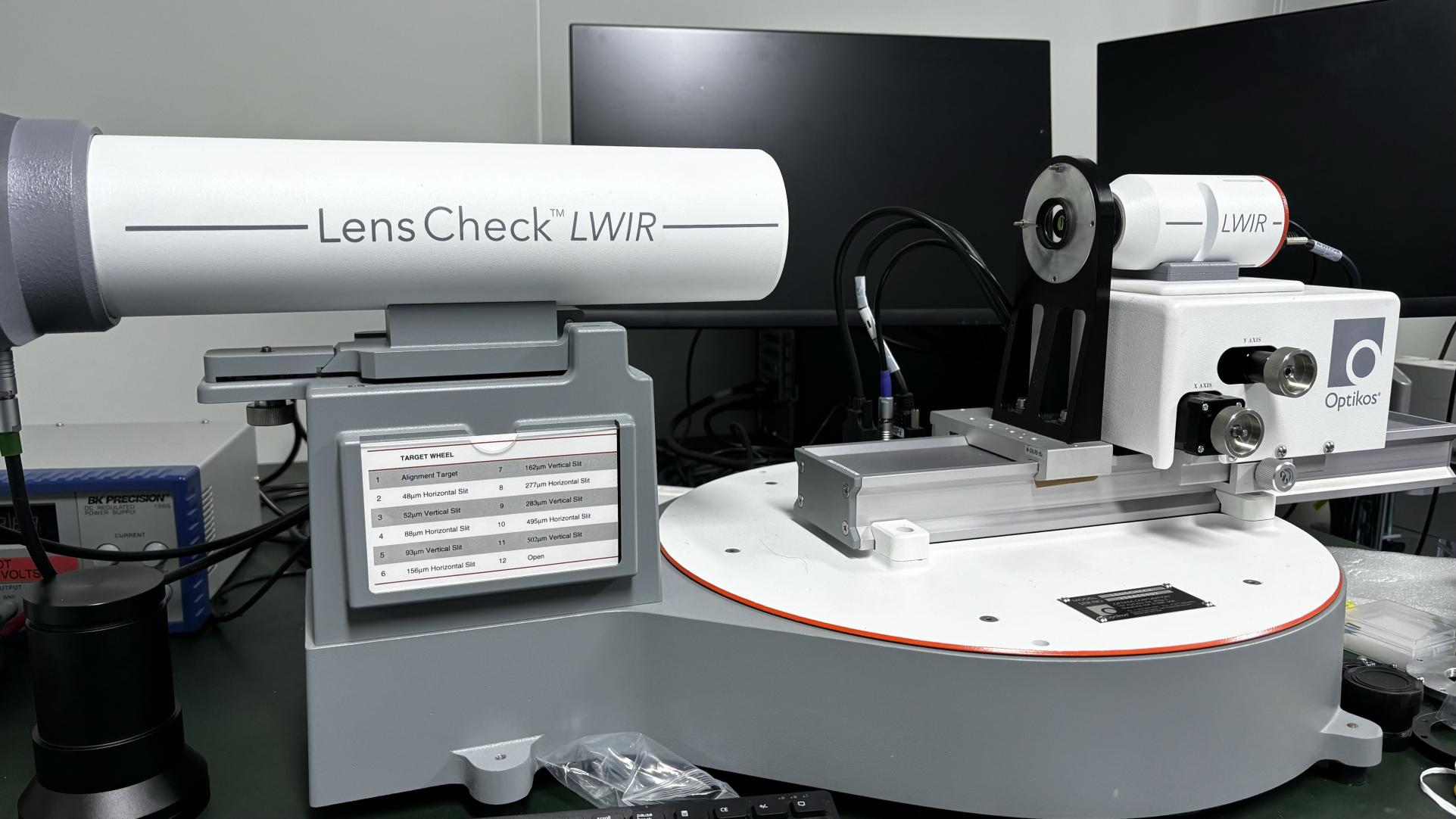

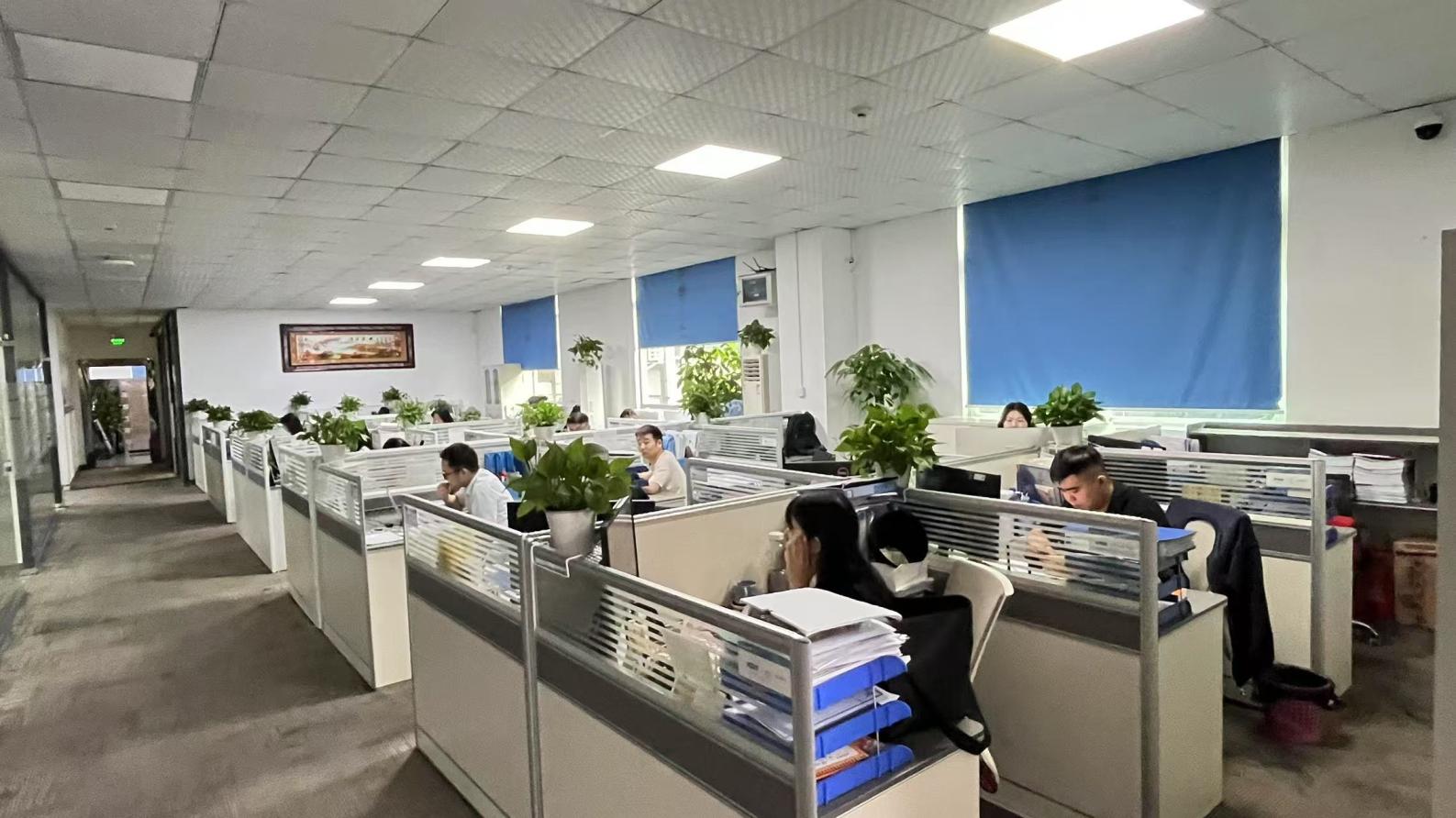
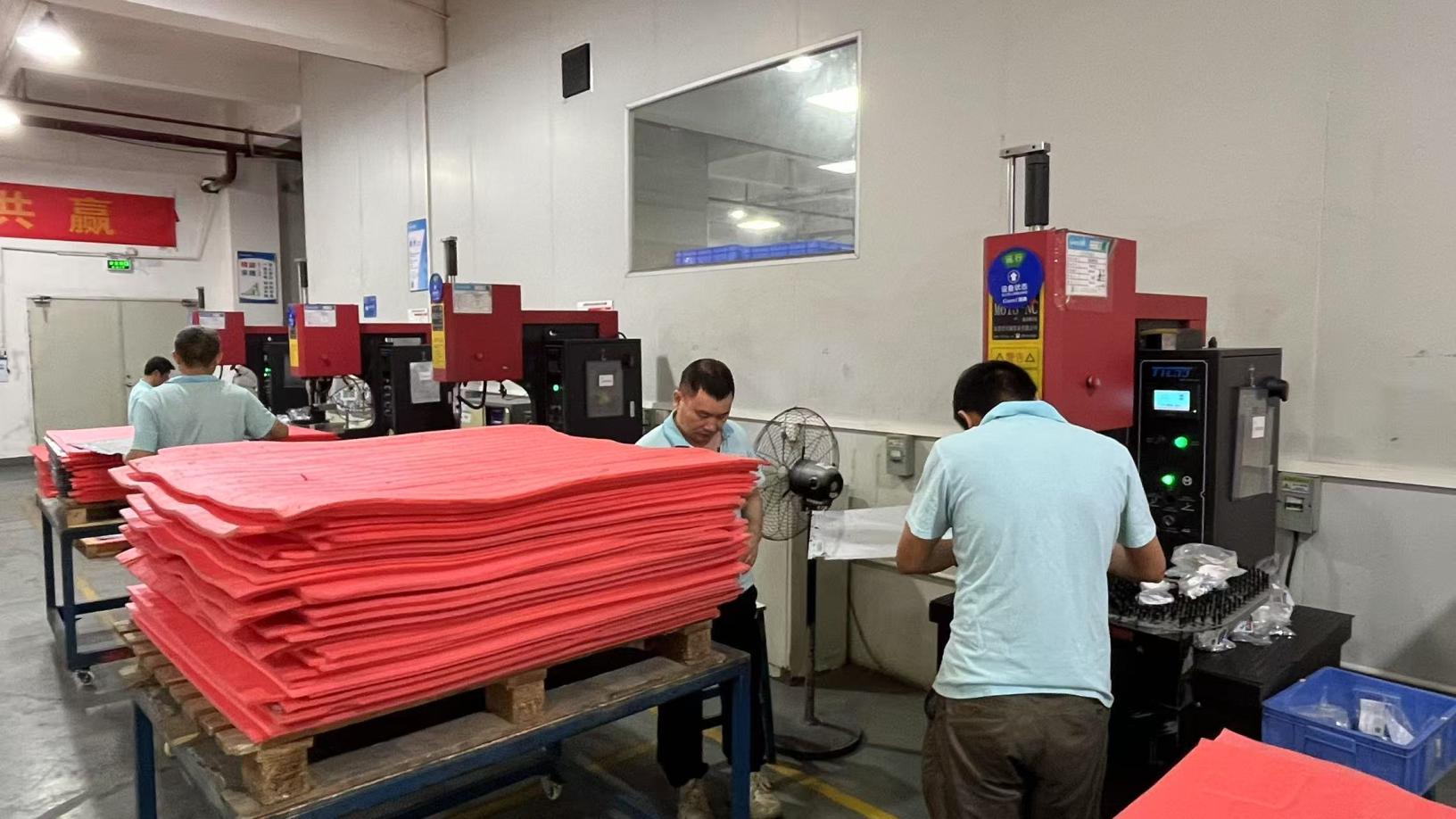
Engineered to support ultra-dense compute nodes, hybrid cloud architectures, financial exchange networks, and industrial automation environments.
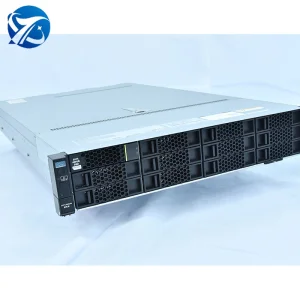
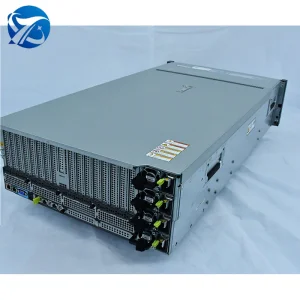
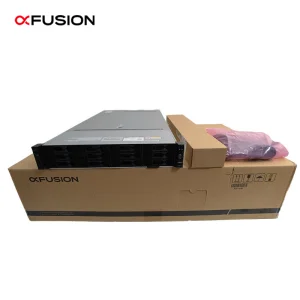
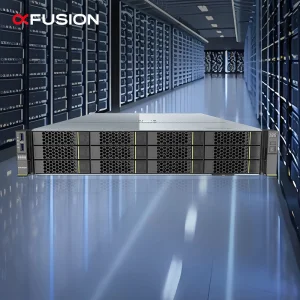
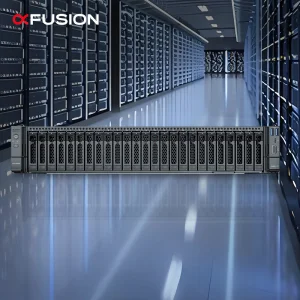
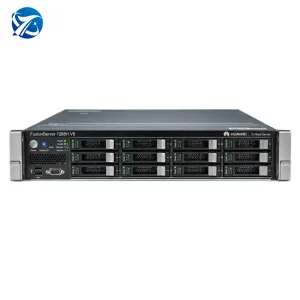
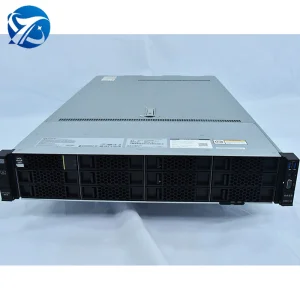
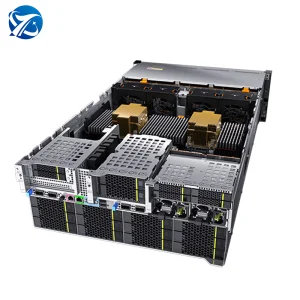
Hyperscale infrastructure demands high-count multi-fiber push-on (MPO/MTP) cabling arrays rated for 400G and 800G optical transceivers. By deploying OSFP and QSFP-DD high-speed Direct Attach Copper (DAC) and Active Optical Cables (AOC) alongside server lines like the xFusion 2288H V6/V7 and G5500 V6 AI servers, operators achieve near-zero latency with optimized transmission stability across massive distributed GPU clusters.
Storage Area Networks (SAN) demand deterministic throughput and robust redundancy. Incorporating Emulex LPE35000 32Gb/s FC host bus adapters and SAS/SATA RAID array cards (e.g., 9560-16i, XC470C-M-8i) into rack topologies requires high-bandwidth internal SAS 12G/16G cabling assemblies. These ensure uninterrupted data replication between high-capacity NAS nodes and mission-critical cloud backbones.
Industrial edge environments present harsh physical operating conditions including electromagnetic interference (EMI), ambient heat fluctuation, and mechanical vibration. Industrial-grade copper cabling solutions paired with short-depth compute server architectures (e.g., xFusion 2258 V7) deliver robust low-latency execution for robotics, smart factories, and remote telecommunication base stations.
Comprehensive comparative metrics for copper vs. fiber structured cabling media across modern data center operational parameters.
| Interconnect Type | Supported Protocol Speed | Max Transmission Distance | Bit Error Rate (BER) | Power Consumption | Primary Application Scenario |
|---|---|---|---|---|---|
| Direct Attach Copper (DAC) | 10G to 800G PAM4 | 0.5m – 5m | < 1E-15 | Near Zero (< 0.1W) | In-Rack Server-to-Top-of-Rack Switch |
| Active Optical Cable (AOC) | 25G to 400G | 1m – 100m | < 1E-12 | Low (~1.5W to 3.5W) | Inter-Rack Connectivity & Small Clusters |
| Single-Mode Optical Fiber (SMF) | 100G to 1.6TB/s | Up to 10km / 40km | < 1E-12 | Transceiver Dependent | Spine-Leaf Core & Data Center Interconnect (DCI) |
| Category 8 (Cat8) Shielded Copper | 25GBASE-T / 40GBASE-T | Up to 30m | < 1E-12 | Medium (~2.5W/port) | High-Speed Enterprise SAN & Edge Server Racks |
| PCIe Gen 4 / Gen 5 Riser Cables | 16 GT/s – 32 GT/s per lane | Internal Server (< 0.7m) | < 1E-16 | Negligible | RAID Card / HBA to High-Density Backplane |
Ensuring full compliance with international cabling norms, fire ratings, and customized engineering specifications for global deployments.
Full adherence to ANSI/TIA-568-D, ISO/IEC 11801, and IEEE 802.3 Ethernet protocols ensuring seamless interoperability across global network gear.
100% factory channel testing via Fluke DSX-8000 CableAnalyzer to verify NEXT, Return Loss, and Attenuation parameters prior to export shipping.
Low-Smoke Zero-Halogen (LSZH), Plenum (CMP), and Riser (CMR) flame-retardant outer jackets certified under EU CPR and UL94-V0 mandates.
End-to-end engineering support including custom wire gauge, pinout mapping, specific cable lengths, and custom branding labels.
Real-world deployment paradigms detailing how high-density servers and enterprise cabling interface in production environments.
In massive generative AI model training facilities utilizing clusters of FusionServer G5500 V6 and xFusion 2258 V7 AI servers, interconnect latency directly dictates training execution speeds. Multi-strand optical trunks connected to 400G switches utilize ultra-low-loss MTP-16 connectors. Direct interconnect between storage cards (e.g., LPE35000 32Gb/s HBA) and high-speed NVMe enclosures minimizes I/O wait state metrics, accelerating backpropagation compute passes across multi-node GPU clusters.
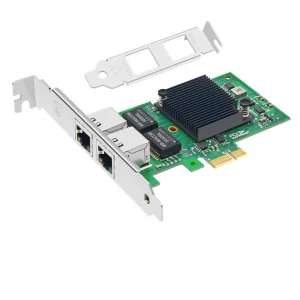
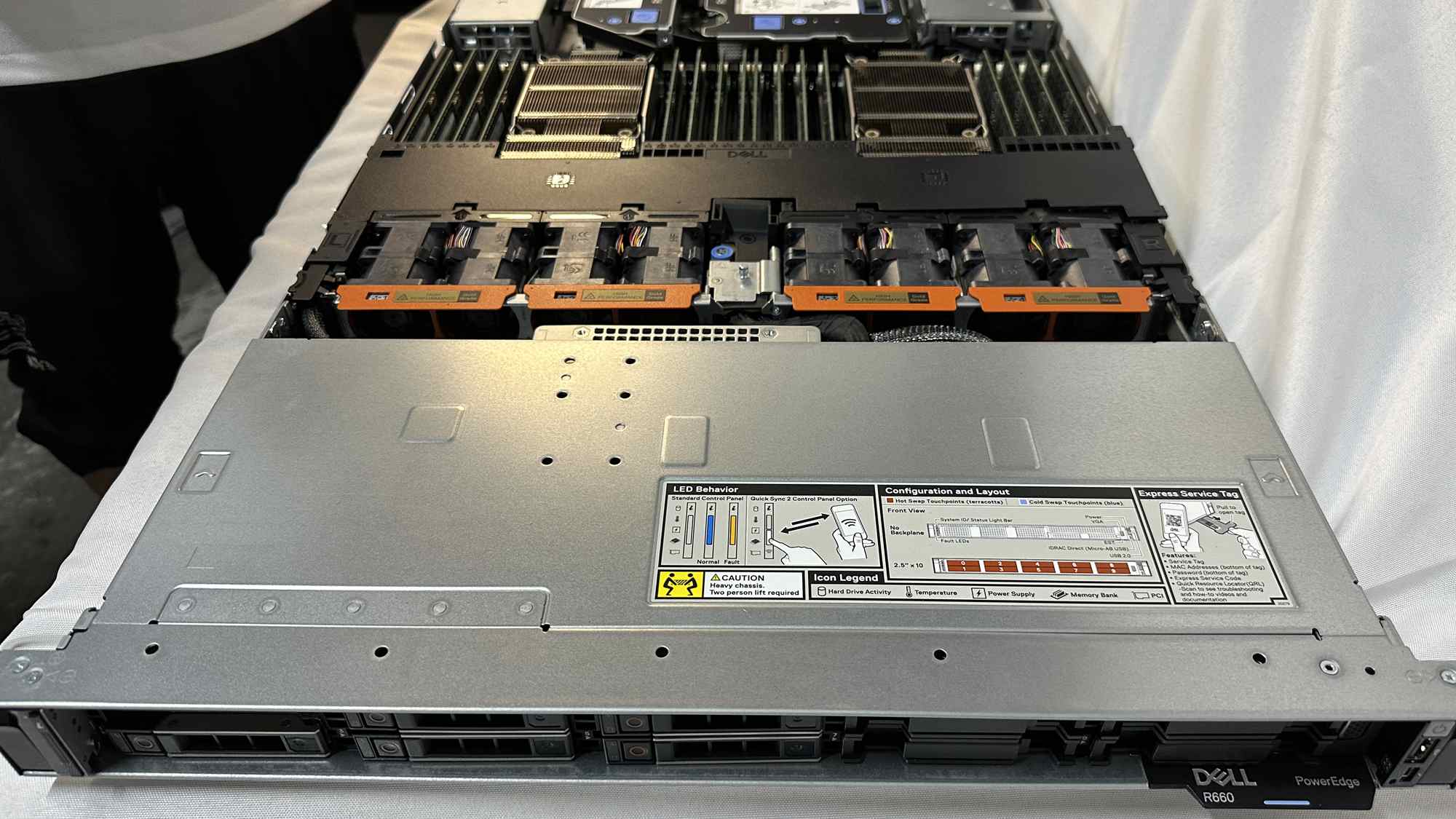
Financial trading platforms requiring sub-microsecond transaction latency depend heavily on direct physical layer optimization. Standard Category 6 cabling is replaced with precision-tuned Cat8 shielded twisted pair (STP) cables for short-run connections between rack servers (such as Dell PowerEdge R750 or xFusion 2288H V7) and specialized ultra-low latency switches. Gold-plated RJ45/SFP+ terminations prevent signal jitter and reduce frame CRC errors to zero.
Anticipating next-generation trends in physical layer transport, co-packaged optics, single-pair Ethernet, and subsea interconnects.
As 1.6Tb/s and 3.2Tb/s network speeds emerge, traditional pluggable transceivers reach electrical dissipation boundaries. CPO integrates optical engines directly onto the ASIC substrate, reducing power consumption by up to 30% and reshaping high-speed fiber jumper standards.
With AI server heat output exceeding 100kW per rack, immersion liquid cooling adoption is surging. Network cabling solutions must incorporate specialized fluoropolymer jackets and hydrophobic seals resistant to long-term synthetic fluid degradation.
For industrial automation, SPE (IEEE 802.3cg/bw) enables 1Gb/s data transmission and Power over Data Line (PoDL) over a single twisted pair up to 1,000 meters, dramatically simplifying cabling mass in smart enterprise infrastructure.
Technical clarifications regarding network cabling solutions, server interconnect compatibility, and OEM manufacturing practices in China.
China manufacturer ecosystems offer unparalleled integration between semiconductor packaging, high-speed cable extrusion, connector tooling, and rigid quality testing. Manufacturers like Zentraix offer direct factory pricing, fully customized OEM pinouts, accelerated R&D prototyping, and comprehensive compliance certifications (CE, ISO, Fluke certified) at global scale.
High-speed RAID controller cards operate over PCIe 4.0/5.0 buses, transferring data at rates up to 16-32 GT/s per lane. Internal cabling must utilize high-frequency SlimSAS or Mini-SAS HD assemblies featuring silver-plated copper conductors and double-foil shielding to prevent cross-talk and preserve signal eye diagrams.
Direct Attach Copper (DAC) is a passive, cost-effective interconnect ideal for short distances (<5 meters inside a single server rack), consuming virtually zero power. Active Optical Cables (AOC) and optical fiber patch cords utilize laser transceivers, making them necessary for spans exceeding 5-7 meters across adjacent server racks, offering immunity to electromagnetic interference (EMI).
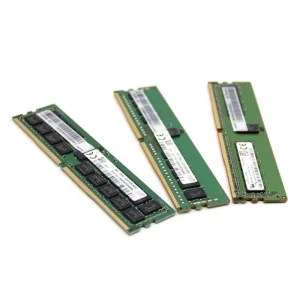
Yes. Zentraix provides full OEM/ODM customization services. Customers can specify chassis dimensions, CPU socket selections, memory density (DDR4/DDR5 ECC RAM), GPU accelerator quantities, storage RAID controllers, HBAs, and pre-routed internal cable harnesses tailored to exact application requirements.
Explore our full line of rack servers, Fibre Channel HBAs, and RAID interconnect controllers engineered for 24/7 mission-critical operational stability.