Zentraix
Zentraix
Zentraix
Premium cloud systems, AI data nodes, and rack server models configured for intensive telemetry processing and deep learning diagnostics.
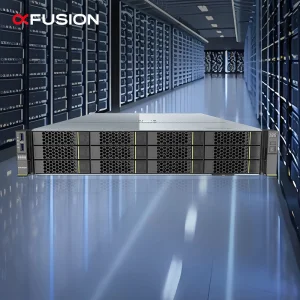
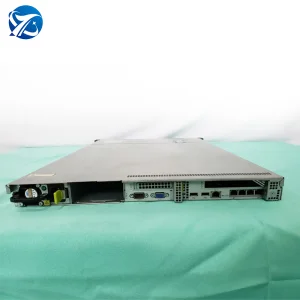
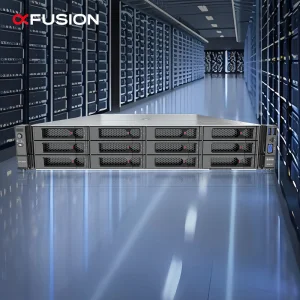
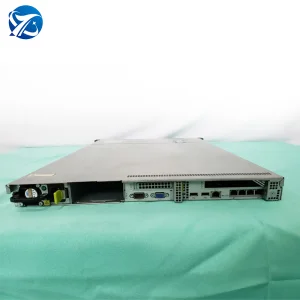
The global logistics, automotive, and fleet management sectors are undergoing a massive transition. Standard telematics—once confined to basic GPS tracking and static odometer readings—has evolved into a sophisticated, multi-layered digital architecture. Today's commercial telematics landscape relies heavily on the ingestion of massive volumes of multi-modal data, including high-definition video inputs for Advanced Driver Assistance Systems (ADAS), real-time CAN-bus engine diagnostics, driver monitoring systems (DMS), and environmental sensors.
As a premier hub for China wholesale telematics equipment and infrastructure computing nodes, we recognize that hardware reliability at both the vehicle edge and the data center core is critical. This whitepaper analyzes how high-performance compute architectures, high-density storage nodes, and advanced GPU acceleration pipelines serve as the foundation of modern telematics. Without robust processing servers running at scale, the high volume of edge telematics data—ranging from fleet tracking devices, connected dash cams, OBD-II IoT dongles, and V2X infrastructure modules—remains unexploited. Our mission is to bridge the gap between heavy edge telemetry generation and high-speed data center analytics.
Industrial telematics deployment operates across a complex hybrid architecture. High-performance IoT gateways and tracking devices installed on vehicles collect information, but the heavy lifting—such as routing optimization, behavioral analytics, AI-driven video transcription, and predictive failure analysis—takes place in enterprise clouds and processing facilities.
Processing sub-10ms latency inputs from vehicle-to-everything (V2X) nodes. High-frequency coordinates, brake warnings, and spatial data are handled inside dedicated, scalable cloud servers designed for multi-tenant high-throughput applications.
GPU-accelerated servers run real-time inference on multi-channel dashcam videos. Utilizing deep learning algorithms like DeepSeek, systems extract traffic violation markers, driver drowsiness levels, and roadway hazards.
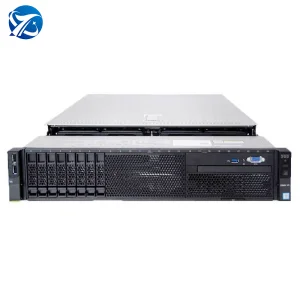
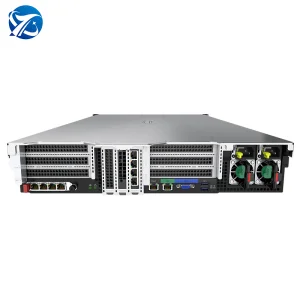
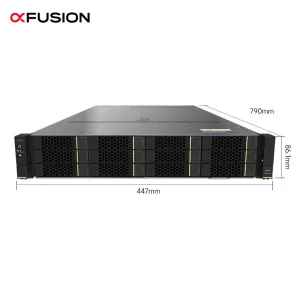
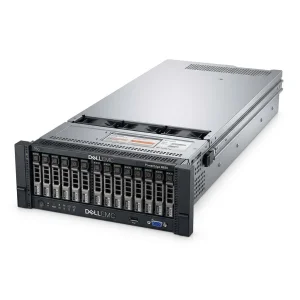
Aggregating telemetry diagnostics codes (DTCs), thermal variations, and battery degradation profiles. Our xFusion and Dell server architectures process millions of telemetry payloads per second to anticipate failure models.
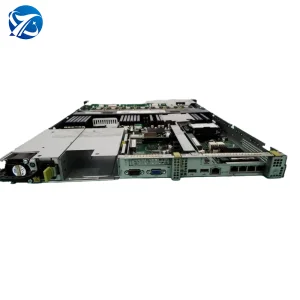
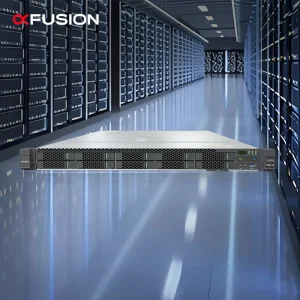
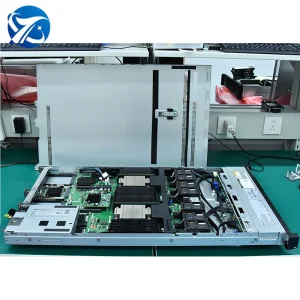
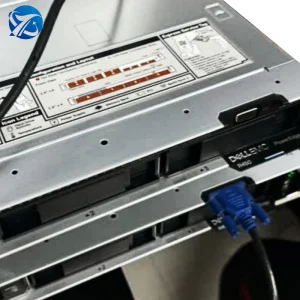
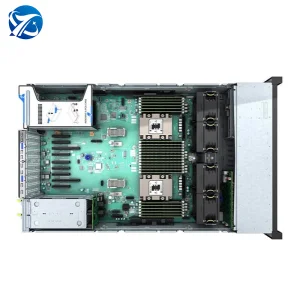
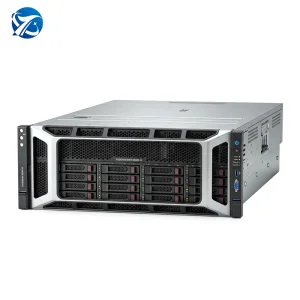
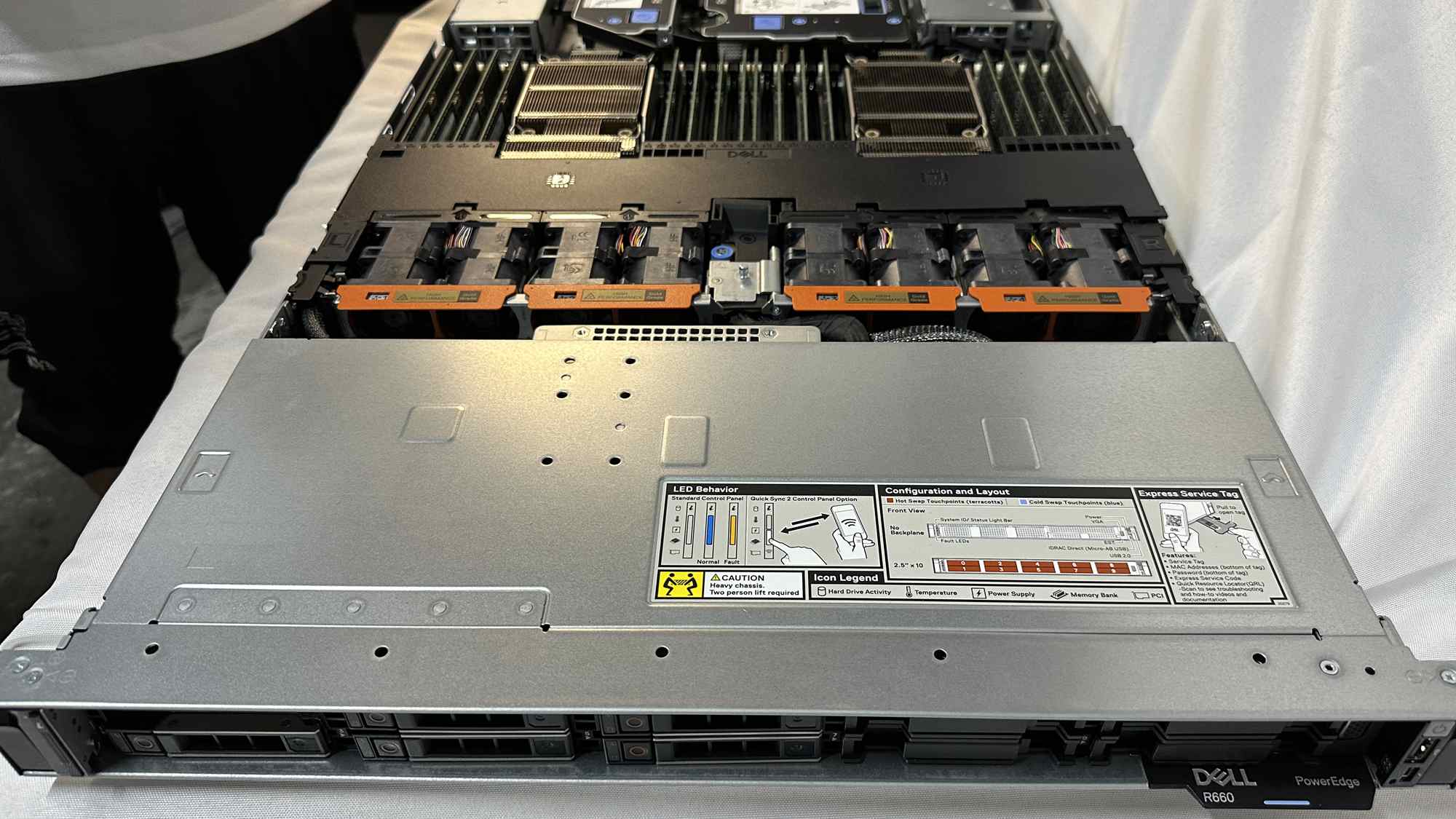
For wholesale purchasers, system integrators, and international telematics exporters, sourcing the hardware must balance thermal compliance, continuous uptime, and energy efficiency. The enterprise hardware we manufacture and distribute, including xFusion FusionServer and Dell PowerEdge platforms, offers scalable storage (SSD & NVMe rack setups) and multi-socket Xeon computing profiles engineered precisely for telematics databases (such as PostgreSQL, InfluxDB, and TimescaleDB).
A global leader in high-performance computational infrastructure powering the modern telematics and AI enterprise landscape.
Established in 2016, Zentraix Computing Technology Co., Ltd. is a professional manufacturer and solution provider specializing in AI GPU servers, high-performance computing (HPC) systems, GPU clusters, and customized AI infrastructure solutions. Over the past decade, we have rapidly grown into a trusted supplier serving global enterprises, research institutions, cloud service providers, and telematics platform operators.
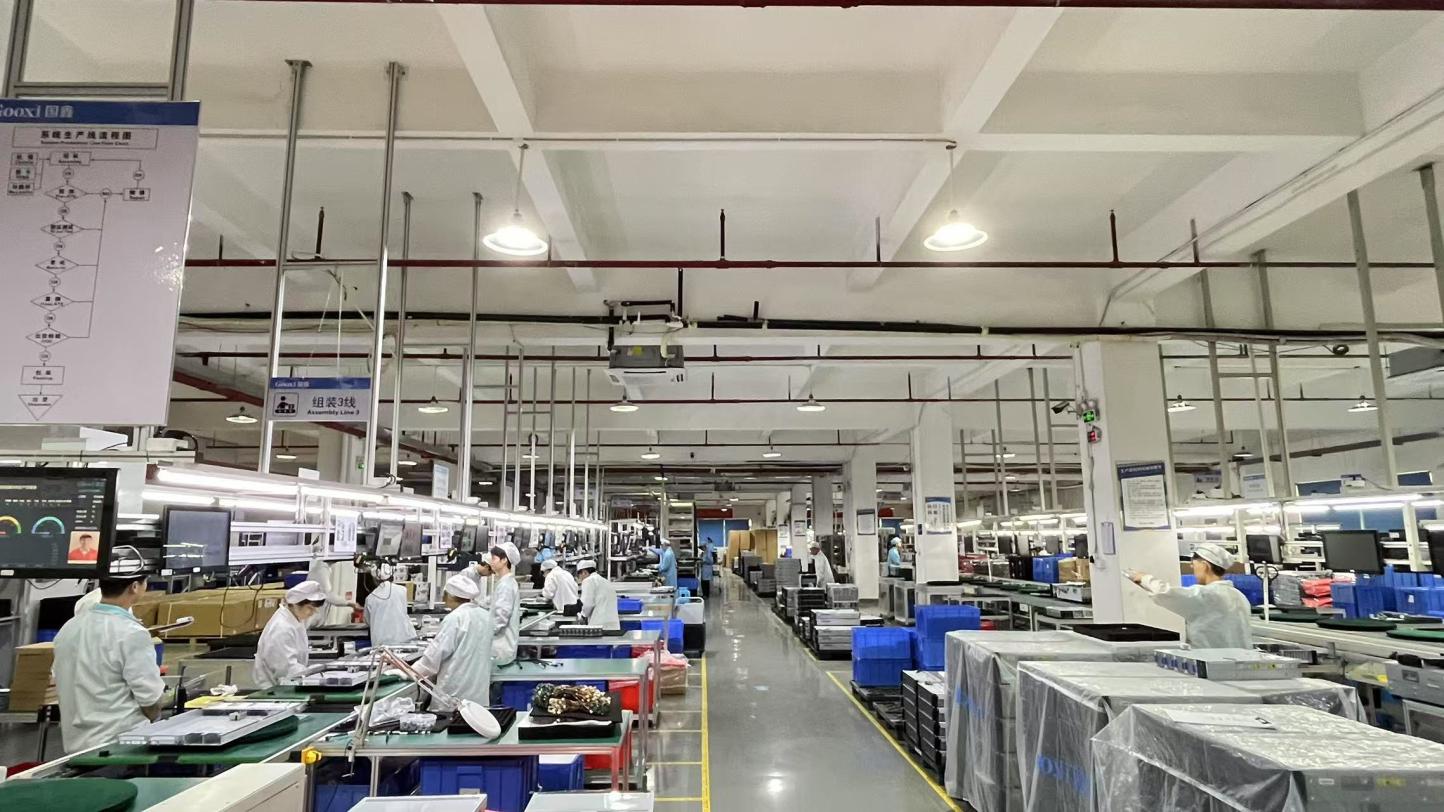
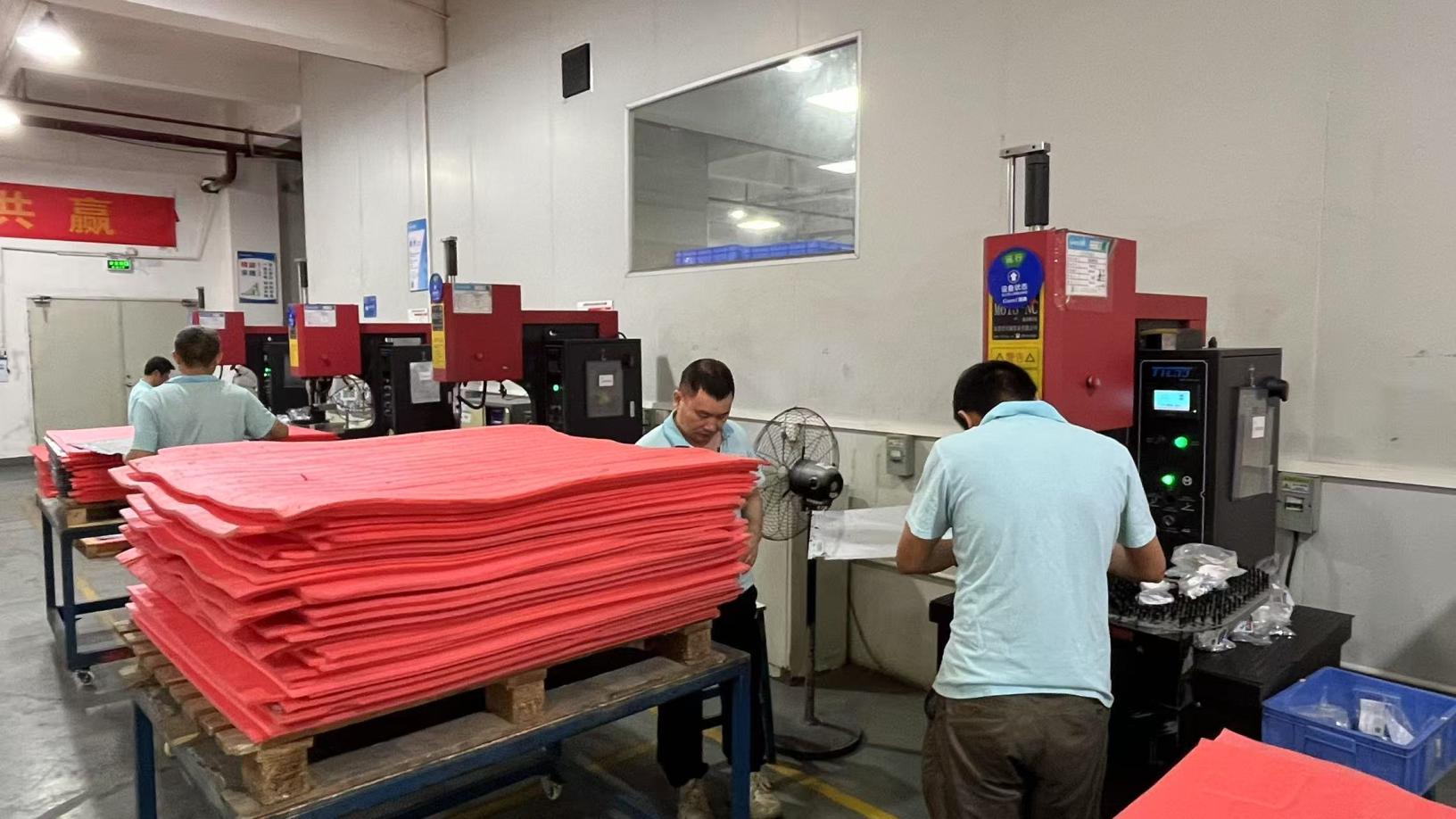
Located in Guangdong, China, our modern manufacturing facility covers over 3,800 square meters and integrates production, testing, assembly, and R&D operations under one roof. With years of deep-rooted expertise in AI computing hardware, we are committed to delivering reliable, scalable, and high-performance server solutions for AI training, inference, deep learning, big data analytics, and scientific telematics computing.
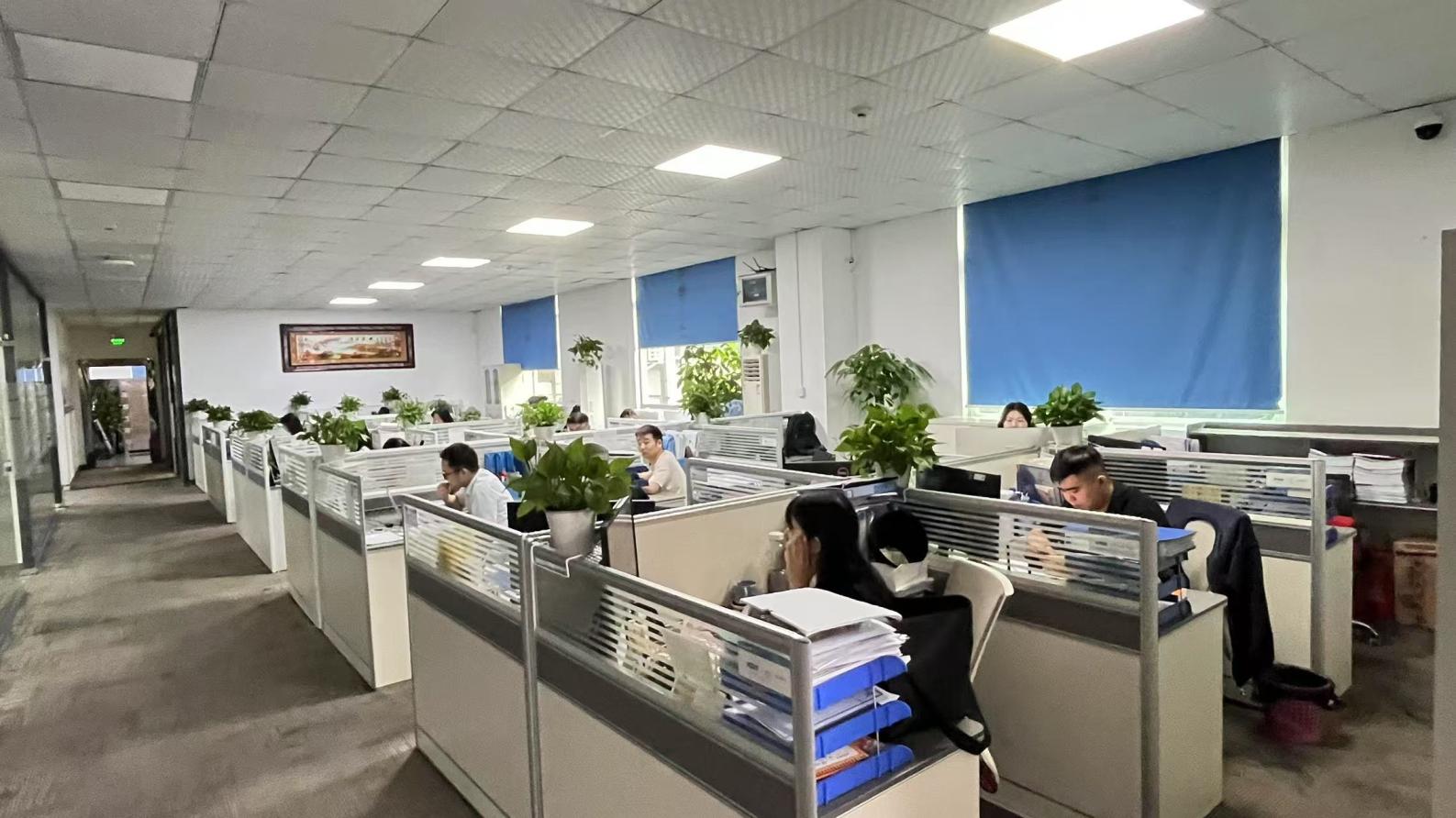
Supported by a team of over 120 professionals, including 68 experienced R&D engineers, Zentraix continuously invests in innovation and product development. Last year alone, we successfully launched more than 120 new server configurations and customized computing solutions to meet the evolving demands of the global AI and connected vehicle industries.
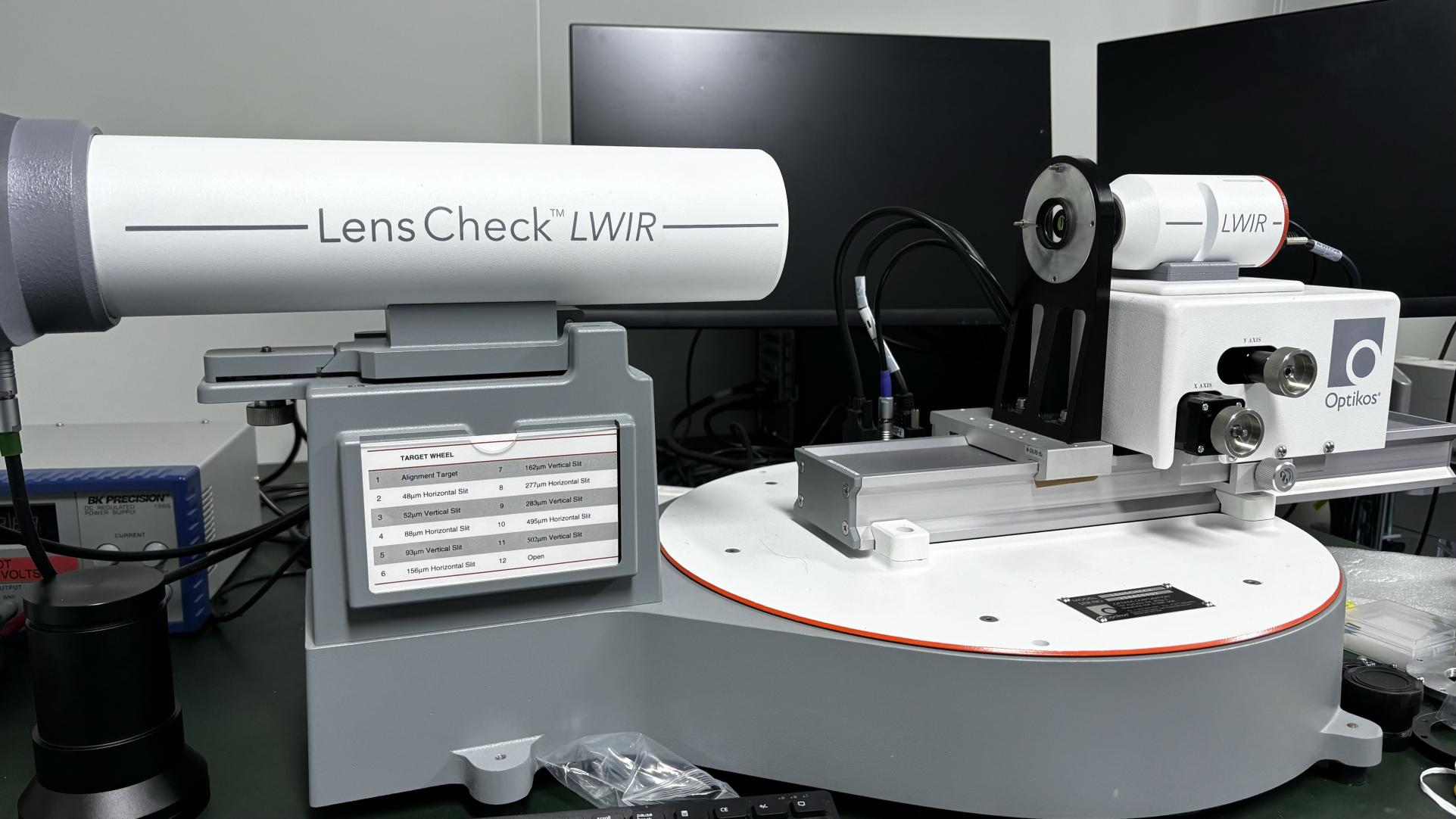
Quality is at the core of everything we do. Our dedicated quality assurance department consists of 35 skilled inspectors who conduct comprehensive quality control procedures throughout the entire production process. Every server undergoes component verification, burn-in testing, performance benchmarking, thermal stability testing, compatibility testing, and final functional inspection before shipment to guarantee maximum field dependability.
With more than 8 years of export experience, Zentraix serves customers across North America, Europe, the Middle East, Southeast Asia, and Australia. Our annual export revenue exceeds USD 18 million, reflecting the trust and confidence customers place in our products and services.
To ensure efficient manufacturing and stable supply capabilities, we maintain long-term partnerships with over 850 supply chain partners and component suppliers worldwide. This extensive network enables us to provide flexible production schedules, competitive pricing, and rapid delivery for both standard and custom projects.
Our primary customers include AI solution providers, cloud computing companies, data center operators, universities, government research organizations, system integrators, and enterprise technology companies. Whether customers require a single GPU server or a large-scale AI computing cluster, we offer comprehensive customization options including chassis design, GPU configuration, CPU selection, memory capacity, storage architecture, networking solutions, and rack integration.
Worldwide deployment of telematics varies strongly by region, presenting specific operational demands on hardware architectures.
Enterprise telematics equipment deployments must conform to local and international regulations. These include the European Union’s General Data Protection Regulation (GDPR), the California Consumer Privacy Act (CCPA), and local automotive cyber security standards (such as ISO/SAE 21434 and UNECE WP.29).
To maintain regulatory alignment, telematics databases need robust encryption protocols operating at the hardware layer. Our server infrastructure utilizes hardware-based security modules, Secure Boot technology, and TPM 2.0. By providing wholesale telematics processing hardware with support for Intel Software Guard Extensions (SGX) and AMD Secure Encrypted Virtualization (SEV), we ensure that sensitive vehicle and driver behavior data is processed in secure, isolated enclaves, protecting transport systems from physical and remote interception.
As we head toward 2030, the intersection of telematics and artificial intelligence is reshaping the transport industry. The next generation of telematics platforms is integrating Large Language Models (LLMs) and advanced AI networks (such as DeepSeek) directly into the telemetry ingestion pipeline. This enables autonomous systems to generate real-time voice reports for fleet dispatchers, translate sensor codes into immediate workflow instructions, and perform predictive diagnostic operations with minimal human input.
Our technical roadmap focuses on creating high-performance computational bridges. By combining high-density GPU accelerators (such as the AI Inference G5200 V5 GPU Server and FusionServer G8600 V7) with ultra-fast NVMe storage, we enable logistics companies to run large-scale deep learning simulations. This setup allows for rapid route recalculation, autonomous fleet synchronization, and real-time vision analytics directly on the backend infrastructure.
Crucial answers regarding telematics hardware architectures, server compatibility, and scaling fleet management systems.
Scalable data center units supporting deep database workloads, V2X communications, and high-frequency telematics telemetry.