Zentraix
Zentraix
Zentraix
Explore high-density processing power engineered for continuous edge deployment and deep learning acceleration.
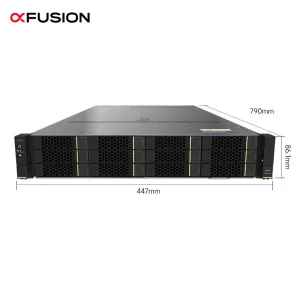
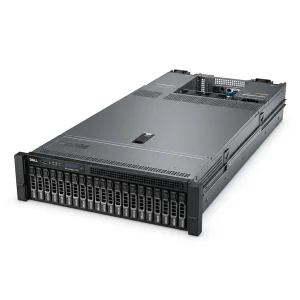
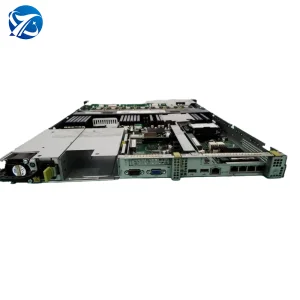
Analysing the critical transition from centralized cloud services to ruggedized, locally deployed intelligence nodes.
As deep learning algorithms evolve and latency tolerances shrink, modern enterprise infrastructure is undergoing a seismic pivot. Centralized cloud data centers, despite their raw capacity, suffer from systemic latency, bandwidth limitations, and severe geopolitical compliance challenges. Consequently, Edge Computing Devices have transformed from peripheral data collectors into localized computational nodes that handle real-time neural network inference, multi-camera stream analytics, and mission-critical automation.
Internationally, industries like autonomous transit, smart factories, offshore energy operations, and automated logistics networks demand rugged computing solutions. These networks cannot afford round-trip data transmission times of 100ms or higher. Industrial architectures require sub-10ms response times at the physical boundary—the "edge"—enabling instant execution of safety algorithms, local LLM parsing (such as lightweight DeepSeek architectures), and high-frequency sensor fusion.
Processing data directly at the source eliminates transit hops, lowering decision-making loops to microsecond tolerances for real-time safety systems.
By filtering out noisy telemetry data locally, devices transmit only actionable anomalies, reducing cloud uplink bandwidth consumption by up to 90%.
Confidential records, biometric data, and regional security telemetry are kept safely behind the localized enterprise firewall, satisfying GDPR, CCPA, and regional mandates.
Crucially, selecting a reliable manufacturer is not merely about finding a vendor who can put together components; it involves identifying an engineering partner capable of custom baseboard layouts, intelligent thermal engineering, and tight hardware-software integration. This is where China’s manufacturing ecosystem, represented by innovators like Zentraix Computing Technology Co., Ltd., offers unparalleled industry advantages.
Discover how integrated supply ecosystems, component speed-to-market, and strict quality control pipelines optimize computing infrastructure.
The southern manufacturing corridors of China, particularly in Guangdong, host the highest concentration of high-frequency PCB fabricators, semiconductor packaging houses, and thermal management specialists in the world. This localized clustering translates into several distinct operational benefits for procurement professionals:
By blending Western design quality compliance with high-volume, cost-effective Asian assembly, Chinese manufacturers are shaping the physical underpinnings of next-generation Edge AI platforms.
Bridging physical reality with advanced computing architectures through high-performance on-site processing.
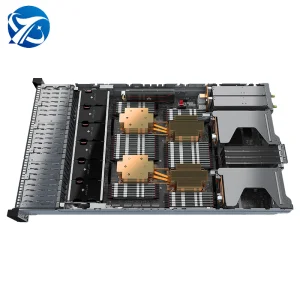
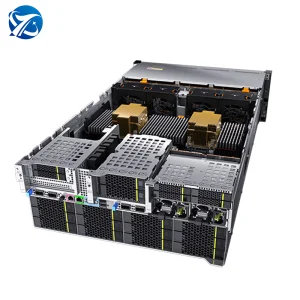
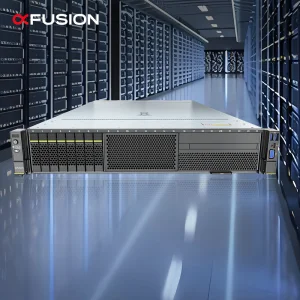
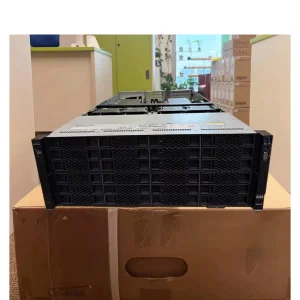
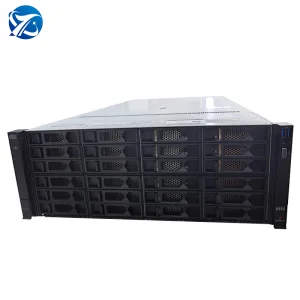
Within modern manufacturing corridors, high-resolution cameras inspect silicon wafers, solder joints, and mechanical assemblies at speeds exceeding 60 frames per second. Streaming these high-bandwidth video feeds directly to a remote cloud is cost-prohibitive and introduces structural latency. Edge servers with GPU acceleration (such as the xFusion G5500 series) process neural model inference locally to identify micro-defects in milliseconds, immediately triggering safety overrides and automated rejects on the production line.
Managing high-volume urban traffic demands real-time processing of hundreds of municipal video feeds. By placing IP67-rated edge nodes at traffic intersections, municipal operations run localized inference for vehicle classification, license plate OCR, and pedestrian path prediction. This reduces data transmission, ensuring private citizen information is processed locally without uploading raw video feeds to centralized repositories.
Offshore oil platforms, solar generation fields, and remote wind turbine arrays operate at the margins of modern communication networks. In these environments, satellite communication is expensive and erratic. Industrial-grade edge servers with wide-temperature designs and short-depth chassis operate directly within these harsh field offices, processing local telemetry data to predict structural wear and prevent failures without needing a continuous cloud link.
Essential design, engineering, and manufacturing metrics that technical directors use to vet overseas hardware suppliers.
Vetting an OEM/ODM partner in China requires evaluating criteria beyond standard unit cost metrics. To ensure long-term stability and high MTBF (Mean Time Between Failures) in demanding edge settings, engineering teams focus on several core parameters:
A premier hardware provider specializing in AI GPU computing platforms and high-performance server architectures.
Zentraix Computing Technology Co., Ltd. is a professional manufacturer and solution provider specializing in AI GPU servers, high-performance computing (HPC) systems, GPU clusters, and customized AI infrastructure solutions. Established in 2016, Zentraix has rapidly grown into a trusted supplier serving global enterprises, research institutions, cloud service providers, and AI startups.
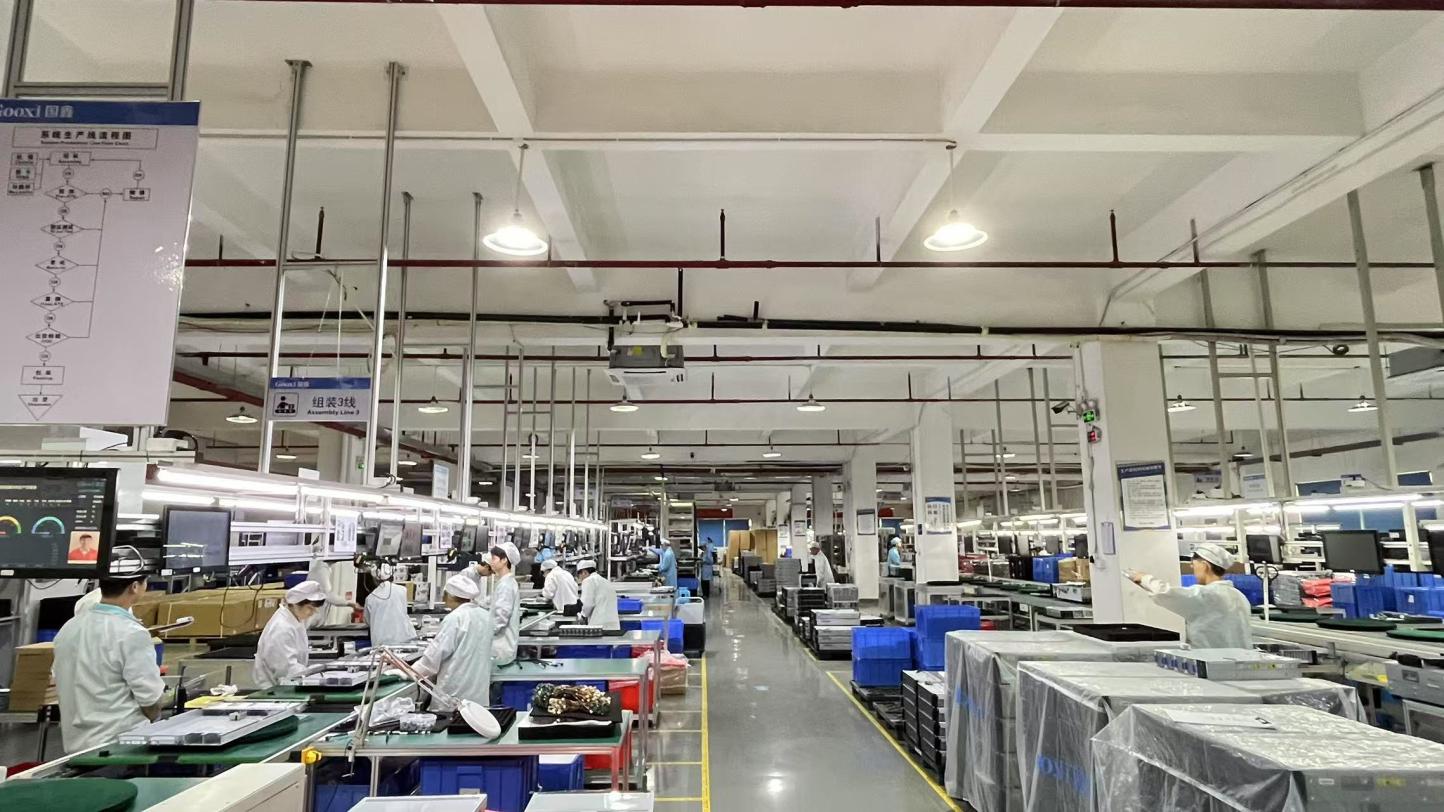
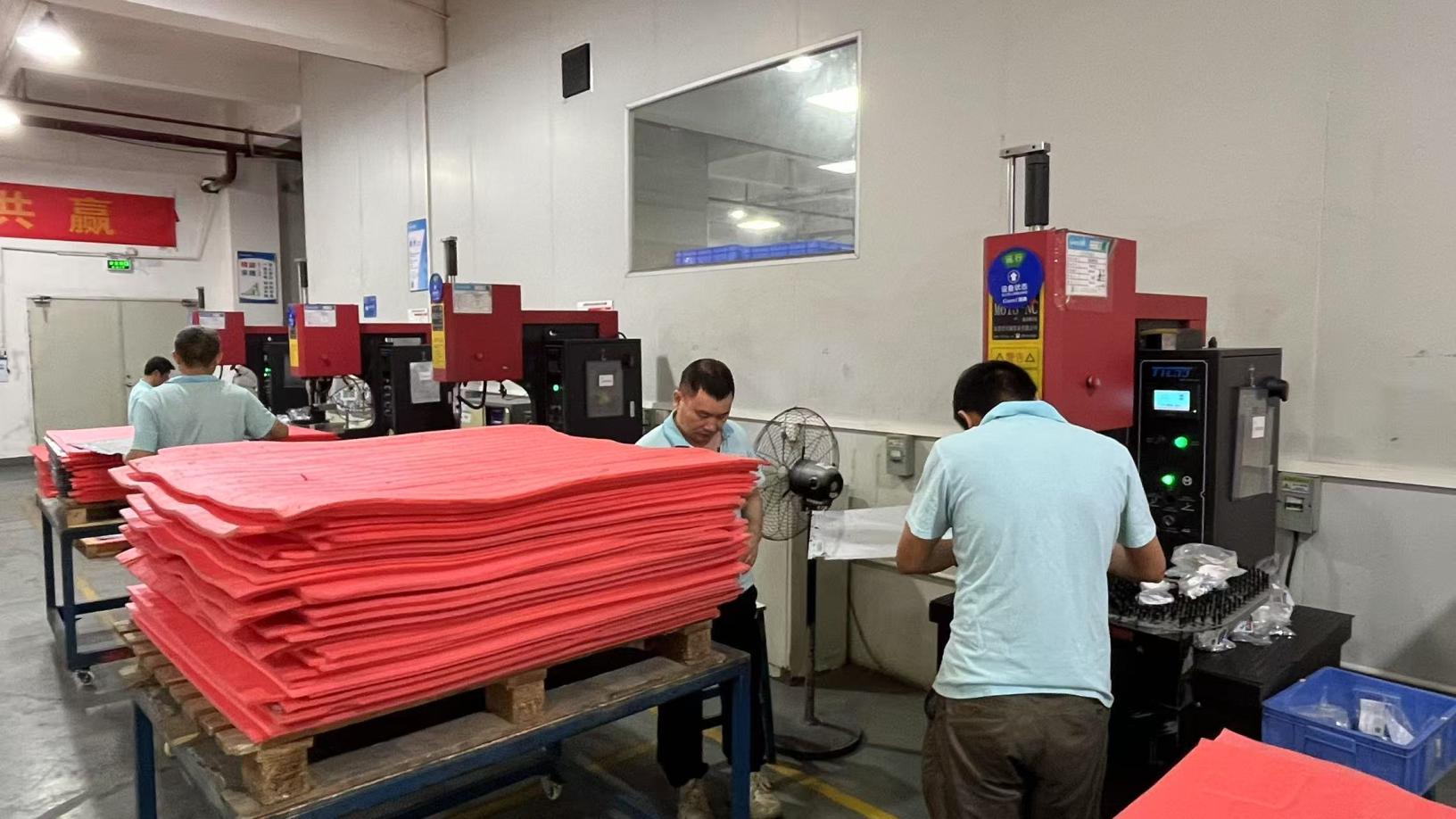
Located in Guangdong, China, our modern manufacturing facility covers over 3,800 square meters and integrates production, testing, assembly, and R&D operations under one roof. With years of expertise in AI computing hardware, we are committed to delivering reliable, scalable, and high-performance server solutions for AI training, inference, deep learning, big data analytics, and scientific computing.
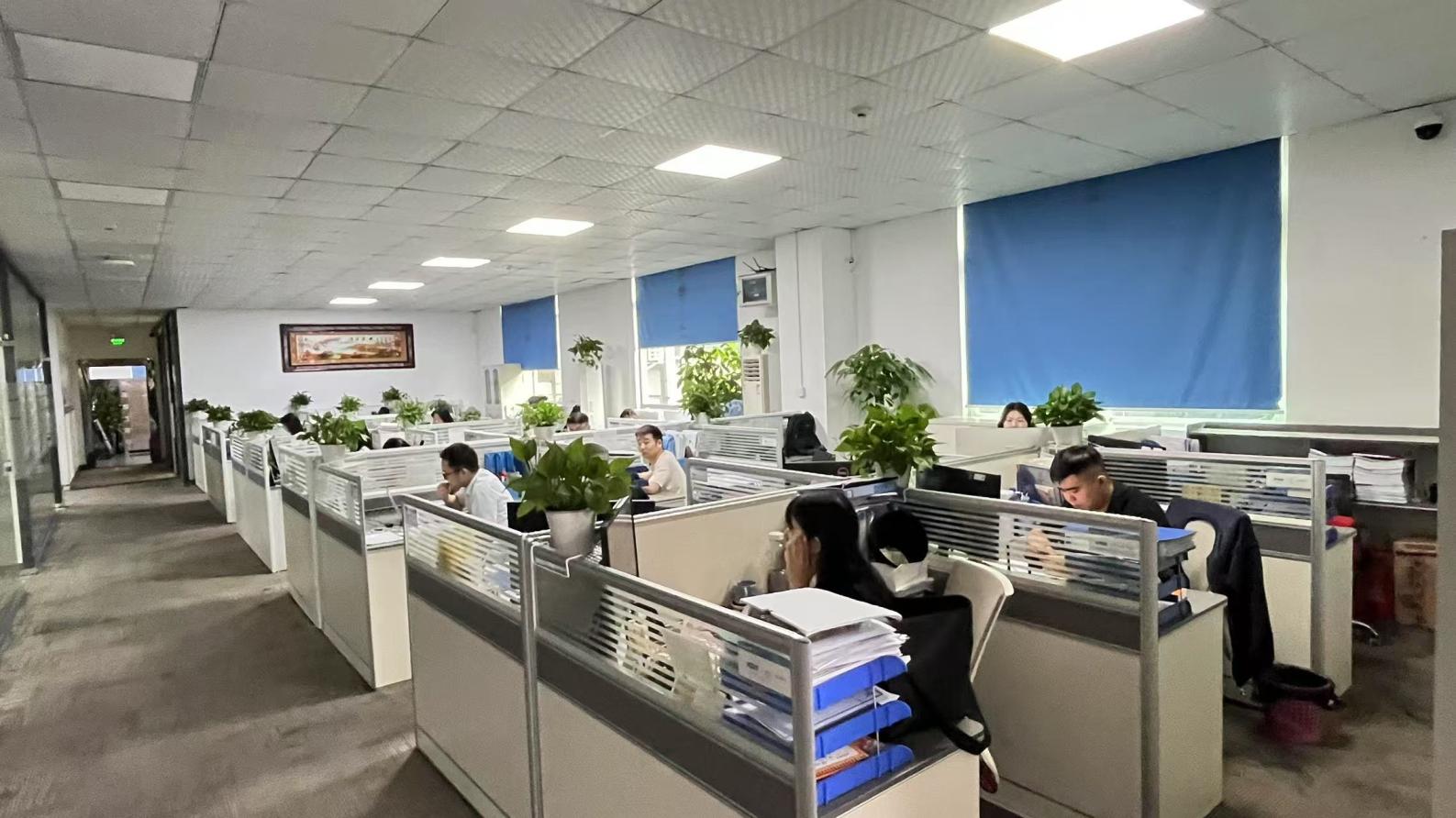
Supported by a team of over 120 professionals, including 68 experienced R&D engineers, Zentraix continuously invests in innovation and product development. Last year alone, we successfully launched more than 120 new server configurations and customized computing solutions to meet the evolving demands of the global AI industry.
Quality is at the core of everything we do. Our dedicated quality assurance department consists of 35 skilled inspectors who conduct comprehensive quality control procedures throughout the entire production process. Every server undergoes component verification, burn-in testing, performance benchmarking, thermal stability testing, compatibility testing, and final functional inspection before shipment.
With more than 8 years of export experience, Zentraix serves customers across North America, Europe, the Middle East, Southeast Asia, and Australia. Our annual export revenue exceeds USD 18 million, reflecting the trust and confidence customers place in our products and services.
To ensure efficient manufacturing and stable supply capabilities, we maintain long-term partnerships with over 850 supply chain partners and component suppliers worldwide. This extensive network enables us to provide flexible production schedules, competitive pricing, and rapid delivery for both standard and custom projects.
Our primary customers include AI solution providers, cloud computing companies, data center operators, universities, government research organizations, system integrators, and enterprise technology companies. Whether customers require a single GPU server or a large-scale AI computing cluster, we offer comprehensive customization options including chassis design, GPU configuration, CPU selection, memory capacity, storage architecture, networking solutions, and rack integration.
Zentraix possesses strong OEM and ODM capabilities, allowing customers to develop tailor-made AI computing platforms that align with specific application requirements. From concept design and engineering development to manufacturing and global delivery, our team provides end-to-end support throughout the entire project lifecycle.
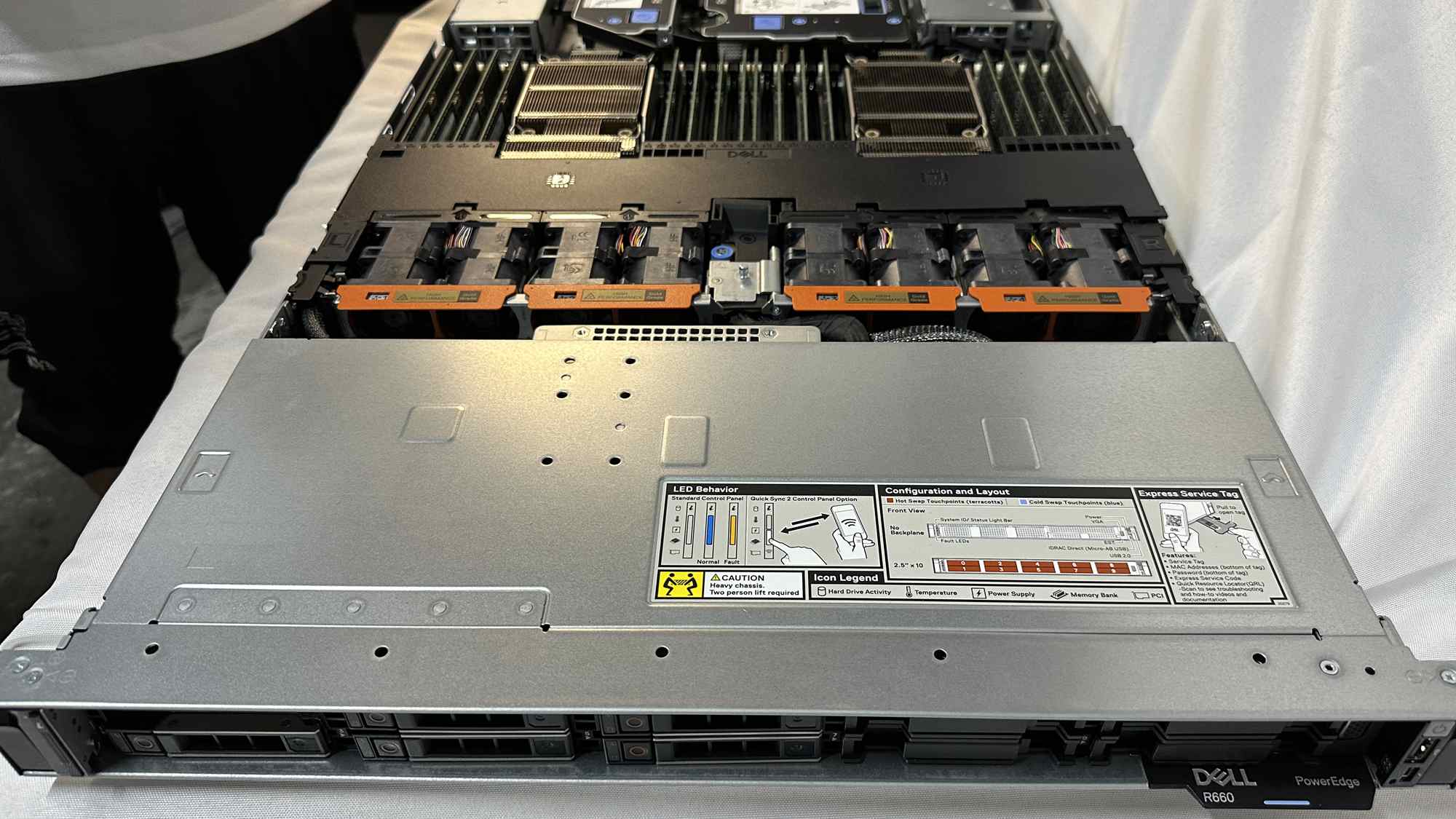
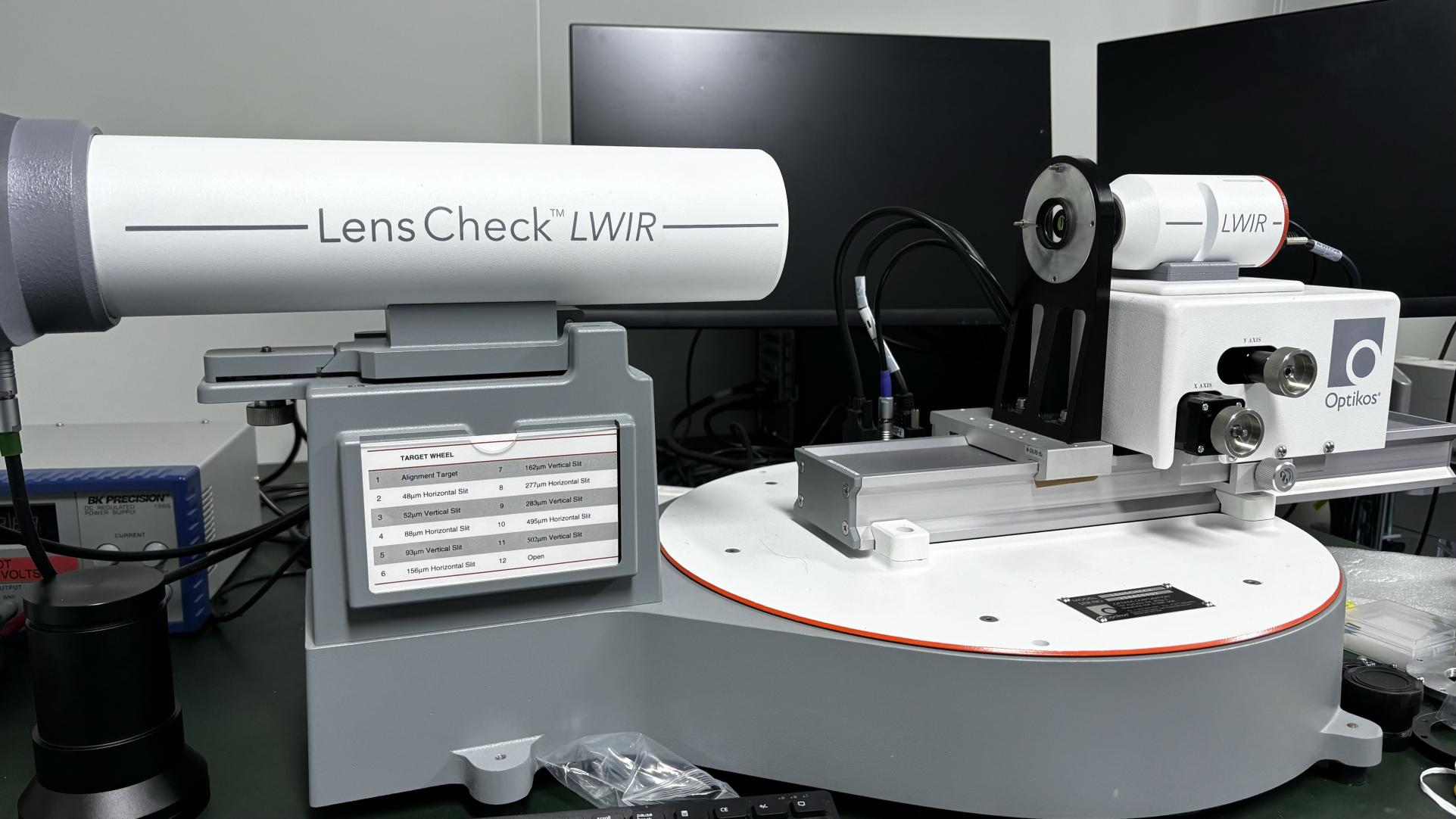
Addressing crucial design questions, product customization capabilities, and deployment challenges.
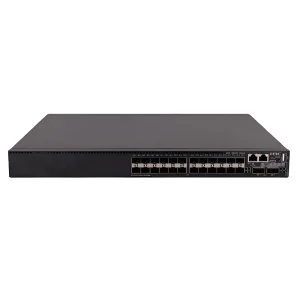
Complete your edge infrastructure deployment with high-speed switching and localized NAS storage systems.