Zentraix
Zentraix
Zentraix
Explore our highly integrated servers, hardware components, and interface modules designed to anchor modern enterprise cloud environments.
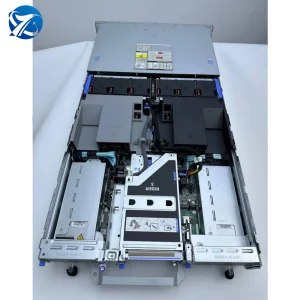
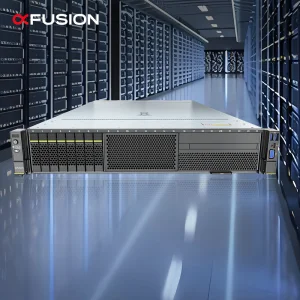
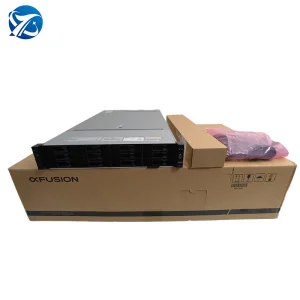
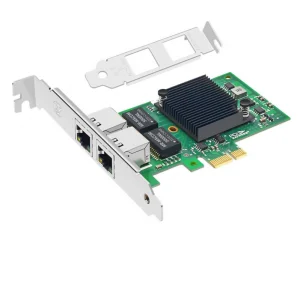
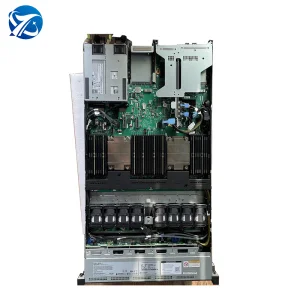
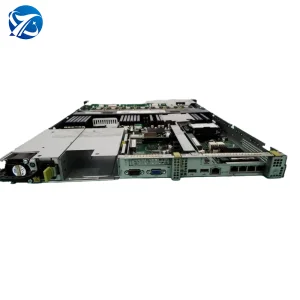
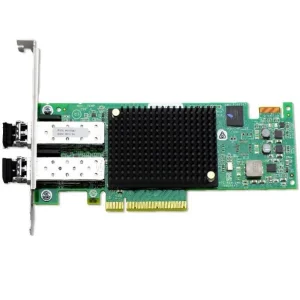
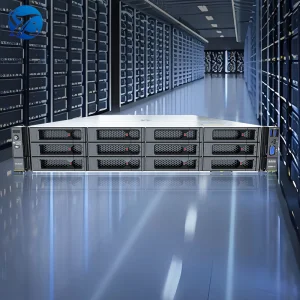
Analysing the architectural shift from pure public clouds to customized hybrid topologies engineered for raw processing power.
The contemporary global digital economy relies on access to rapid, secure, and infinitely scalable computing architectures. While early-stage public clouds offered convenience, modern industries demand a higher degree of control. Large enterprises, financial institutions, and medical networks are migrating towards hybrid cloud models. In a hybrid architecture, local computing workloads (on-premise data centers) integrate seamlessly with cloud platforms to minimize operational latency, reinforce security protocols, and prevent data leakage.
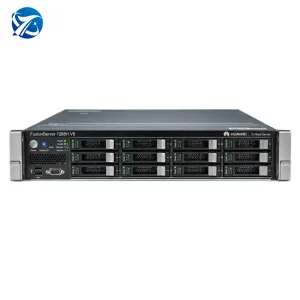
This macro-industrial trend has elevated the critical role of China as a leading supplier and exporter of server hardware. As enterprise operations scale globally, there is a substantial demand for hardware platforms capable of executing dense virtualization, real-time database management, and intensive AI inference workloads. The hardware backbone—consisting of 2U rack mount servers, advanced multi-port fiber channel adapters (HBA), high-density DDR4/DDR5 ECC RAM modules, and redundant RAID array controllers—forms the physical foundation that makes hybrid cloud operations viable and cost-efficient.
“Hybrid cloud structures resolve the inherent conflict between latency and data sovereignty. By deploying state-of-the-art server farms locally, businesses retain critical data control while bursting to public resources for high-elasticity operations.”
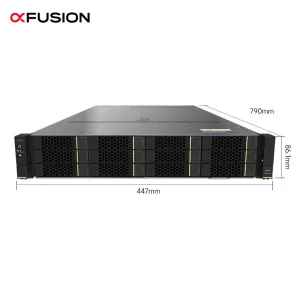
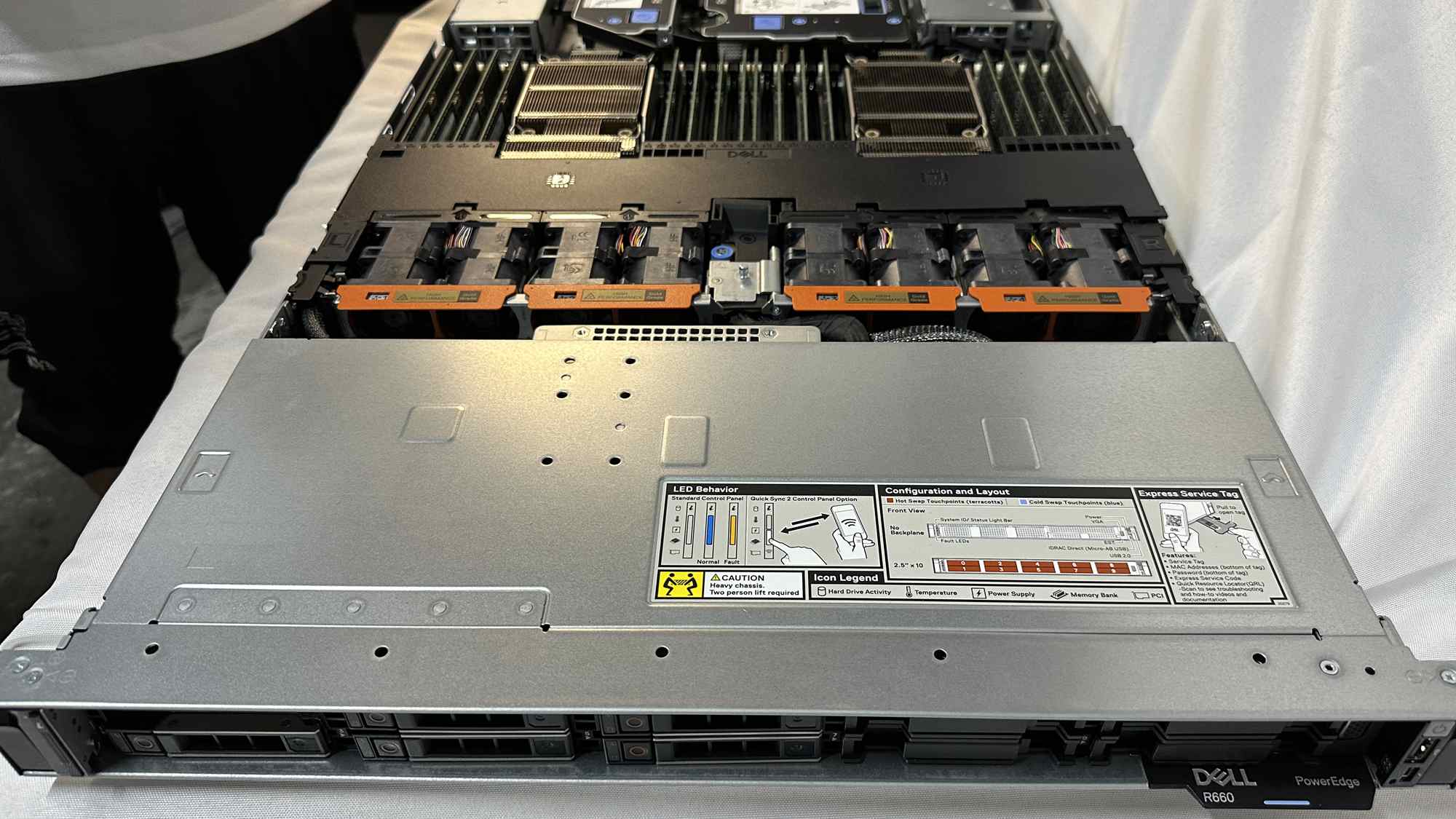
Without high-performance local hardware, hybrid cloud models fail. Organizations attempting to interface with public cloud APIs require hyper-fast networking and low-latency storage systems to prevent localized bottlenecks. Using advanced hardware configurations like the xFusion 2288H series or the Dell Precision servers provides the localized raw processing power needed to handle high-velocity input-output operations. When equipped with Enterprise RAID cards and high-bandwidth Fibre Channel adapters, these local components form the high-throughput bridge essential for synchronizing hybrid pipelines.
Established in 2016 in Guangdong, China, Zentraix Computing Technology Co., Ltd. has evolved into a premier manufacturer and global solution provider specializing in advanced AI GPU servers, high-performance computing (HPC) platforms, GPU clusters, and custom-engineered hybrid cloud structures.
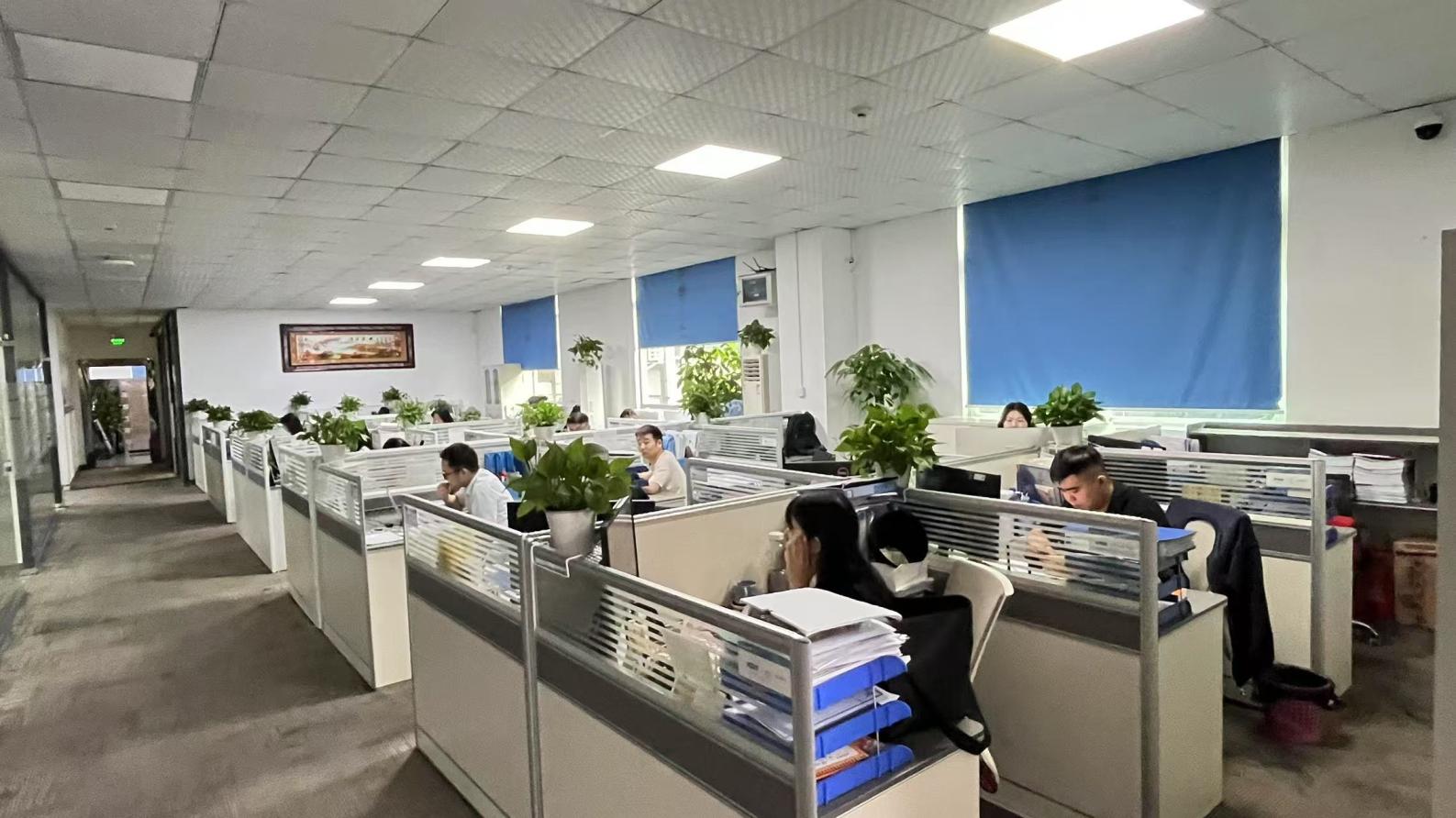
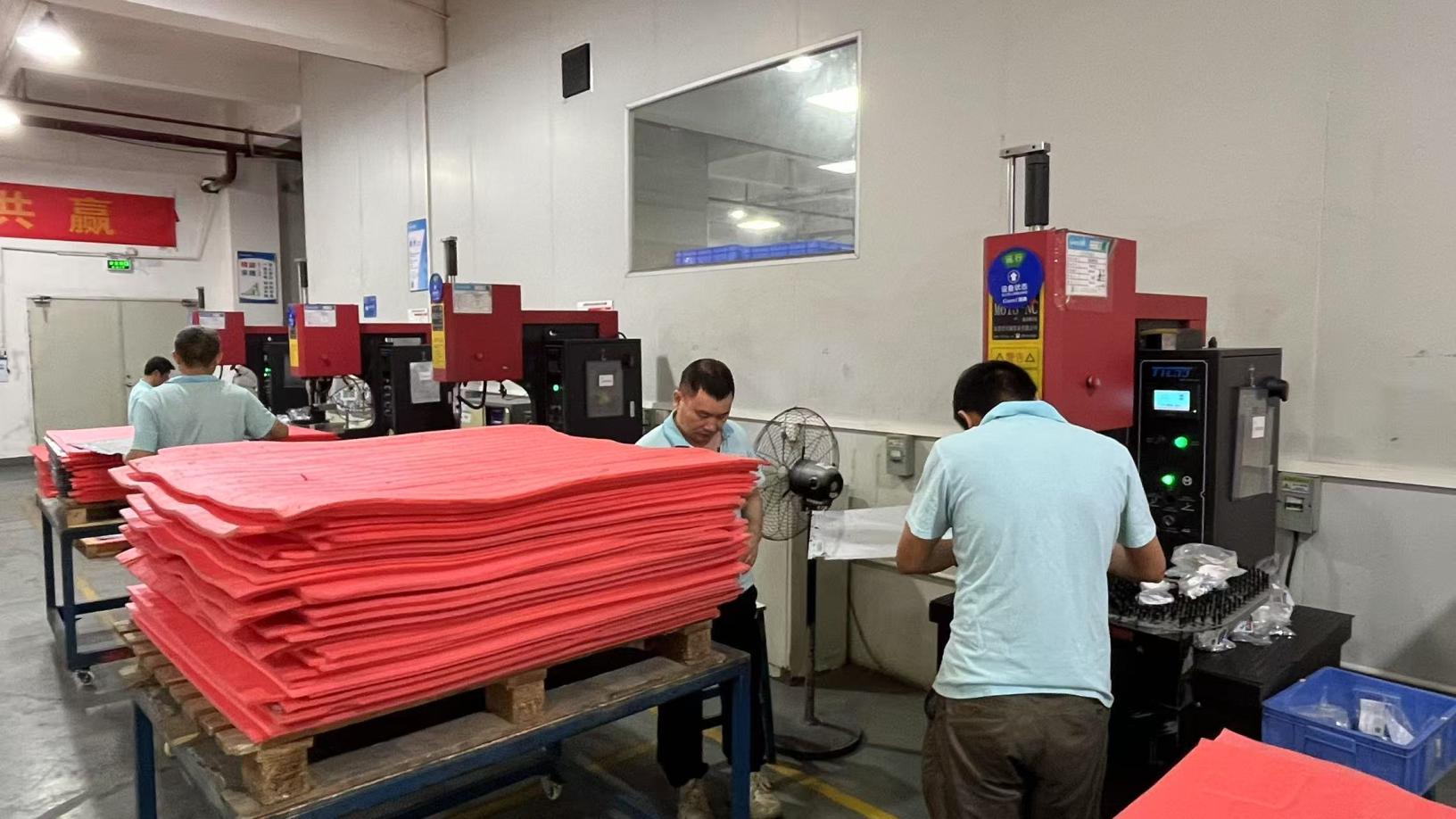
From our 3,800-square-meter modern facility, we direct our research, production, engineering, and quality-assurance systems to address the operational challenges of global AI systems, cloud providers, research institutes, and startups.
Exploring the precise structural components required to support heavy AI pipelines and dynamic database applications.
Supporting next-gen GPU server architecture to process Deepseek models, deep neural network training, and edge compute nodes with massive bandwidth.
SAS3808 and Tri-Mode PCIe NVMe RAID controllers prevent write interruptions and protect database structures on the edge.
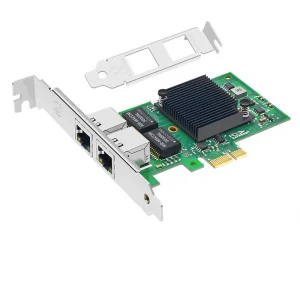
High-speed optical fiber channel HBA cards facilitate fast synchronization between local environments and cloud networks.
Modern hybrid cloud architectures depend on standardizing physical hardware environments to support virtualization management software like VMware, OpenStack, Kubernetes, or Proxmox. Zentraix computing units are built using standard x86 configurations to prevent virtualization overhead. This makes it easier to set up a private cloud infrastructure that mirrors public platforms, simplifying resource allocation and container mobility.
Additionally, hardware security is reinforced at the board level. The integration of BootCards featuring hardware-level edge management ensures data encryption and remote monitoring capabilities, even during physical operating system outages. This lets administrators update firmware, track thermal performance, and isolate faulty system drives securely from a central interface.
Addressing international technical standards and import/export requirements for smooth integration into global infrastructures.
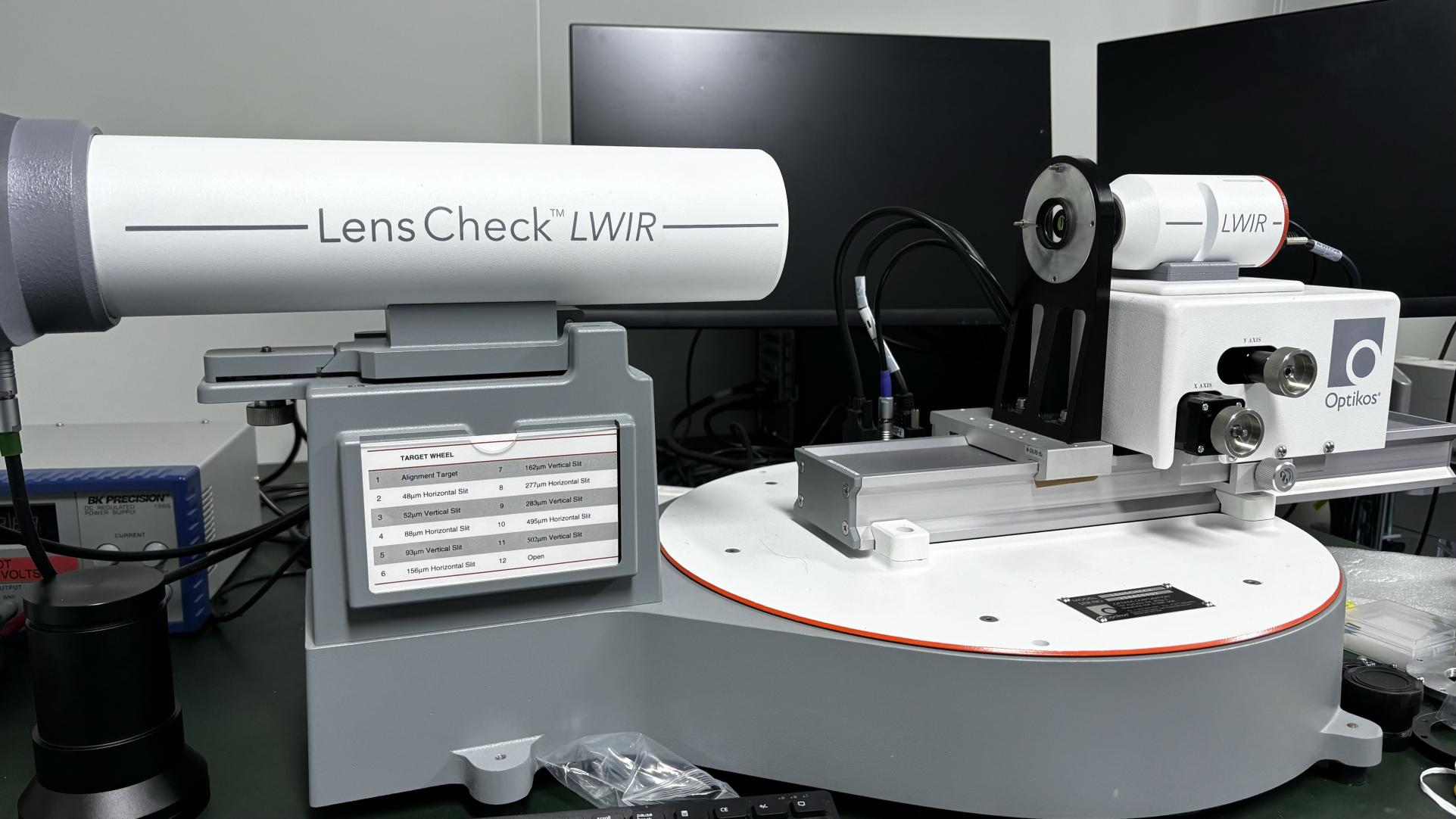
Exporting high-performance server hardware globally requires strict adherence to regional safety and emission regulations. Zentraix designs, manufactures, and tests its entire catalog to comply with CE, FCC, RoHS, UL, and CCC standards. Our internal QA department ensures that all structural components—from power supply units (PSUs) offering 94% Platinum/Titanium energy efficiency to raw chassis sheets—meet high durability and thermal safety metrics.
For operations within the EU, GDPR data compliance mandates that hardware devices prevent unauthorized read operations during drive swaps. Our servers support hardware-level data encryption (Self-Encrypting Drives) combined with advanced RAID array locks. For HIPAA-compliant healthcare data systems, our server architecture supports secure boot sequences to block execution of unverified firmware payloads.
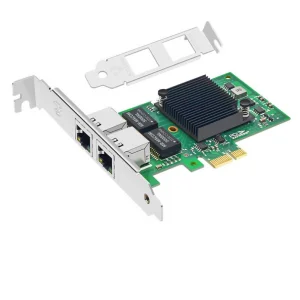
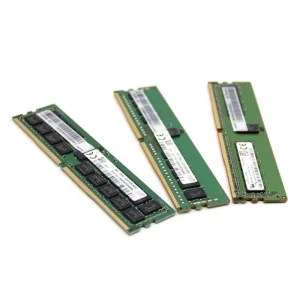
To reduce downtime for international clients, Zentraix offers complete design customization alongside active component replacement programs. Through our network of over 850 supply partners, we provide quick dispatch of critical replacement modules—including DDR4 ECC memory sticks, RAID controllers, high-speed fans, and dual-port HBA cards—to distribution hubs in North America, Europe, Australia, and the Middle East.
Our engineering support goes beyond component supply. We provide enterprise systems integrators with detailed hardware blueprints, mechanical CAD files for rack systems, and BIOS configurations optimized for hypervisors. This technical transparency speeds up onboarding and simplifies ongoing maintenance routines.
Discover how enterprise hardware powers high-intensity workloads across critical industrial sectors.
In quantitative finance, latency of even a millisecond can impact transaction outcomes. Financial institutions deploy hybrid architectures to process real-time transaction streams locally on dedicated, high-clock-rate nodes while offloading end-of-day analytics and compliance records to public cloud repositories. By combining dual-port 32G Fibre Channel HBAs with NVMe storage arrays on platforms like the xFusion 2288H V6, trading firms maintain high uptime and fast network response speeds.
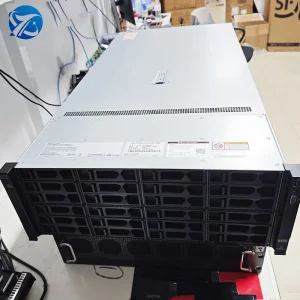
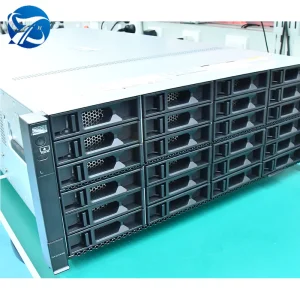
Medical research facilities face challenges regarding image size, file transfer volumes, and patient confidentiality regulations. Private servers handle the primary processing of MRI scans, genomic sequencing, and image recognition workloads. Utilizing custom 8U GPU architectures, hospitals can process diagnostic models locally within hours. De-identified analytical reports are then sent to public cloud databases for collaborative global research.
Energy grids collect data points from millions of smart sensors every second. Processing this telemetry at a central cloud site is inefficient and introduces latency. Deploying rugged edge units equipped with hardware-level RAID cards and specialized management interfaces allows local collection points to aggregate, filter, and validate incoming data streams. Verified metrics are then uploaded to cloud platforms for long-term storage and system optimization modeling.
Architecting the hardware components for tomorrow's AI challenges and carbon-neutral server infrastructure.
As computing requirements scale, traditional bus lines encounter performance bottlenecks. The transition to PCIe Gen 5.0 and Gen 6.0 architectures is essential for modern AI workloads. Zentraix is designing and testing motherboard layouts that support double the bandwidth of Gen 4 interfaces. This allows next-generation storage components and GPU nodes to operate at peak capacity, preventing processing delays during large LLM training operations.
We are also updating our memory validation processes to include advanced DDR5 configurations running at high transfer speeds with sub-nanosecond latency. By working closely with our memory partners, we ensure that our servers are optimized for high-intensity analytical workloads.
High-density compute deployments generate significant heat. Modern cooling designs are shifting from traditional forced-air fans toward direct-to-chip liquid cooling systems. Our development roadmap features dedicated cooling solutions for 2U and 4U chassis configurations. Liquid cooling reduces the Power Usage Effectiveness (PUE) of data centers, helping companies lower operating costs and meet environmental sustainability targets.
We are also optimizing our power distribution boards to handle dynamic GPU workloads. Advanced power balancing technology prevents voltage drops during peak processing demands, extending the lifespan of critical server components.
Get answers to common hardware specifications, export logistics, and customization options.
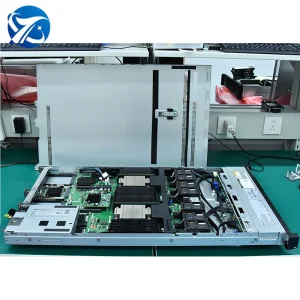
A look inside our modern facility in Guangdong, where precision assembly and testing processes take place.

Complete your hybrid cloud deployments with specialized RAID configurations, interface cards, and high-performance server components.