Zentraix
The landscape of enterprise AI server manufacturing in China is rapidly evolving. As businesses globally seek to leverage artificial intelligence, reliable information on manufacturers is essential. According to a report by IDC, the global AI server market is predicted to exceed $25 billion by 2024. Consequently, understanding key players in this market is crucial for decision-makers.
Chinese enterprise AI server manufacturers are at the forefront of this growth. Companies like Huawei and Inspur are gaining attention for their advanced capabilities and competitive pricing. Their robust AI infrastructures play a vital role in optimizing performance for intensive workloads. However, buyers must also consider reliability and support when selecting a manufacturer.
Not all manufacturers offer the same level of quality. Some may offer innovative solutions, but the actual performance can vary. It’s essential to choose a manufacturer with a proven track record. As the demand for AI continues to rise, understanding the strengths and weaknesses of these enterprise AI server manufacturers becomes even more critical for global buyers.
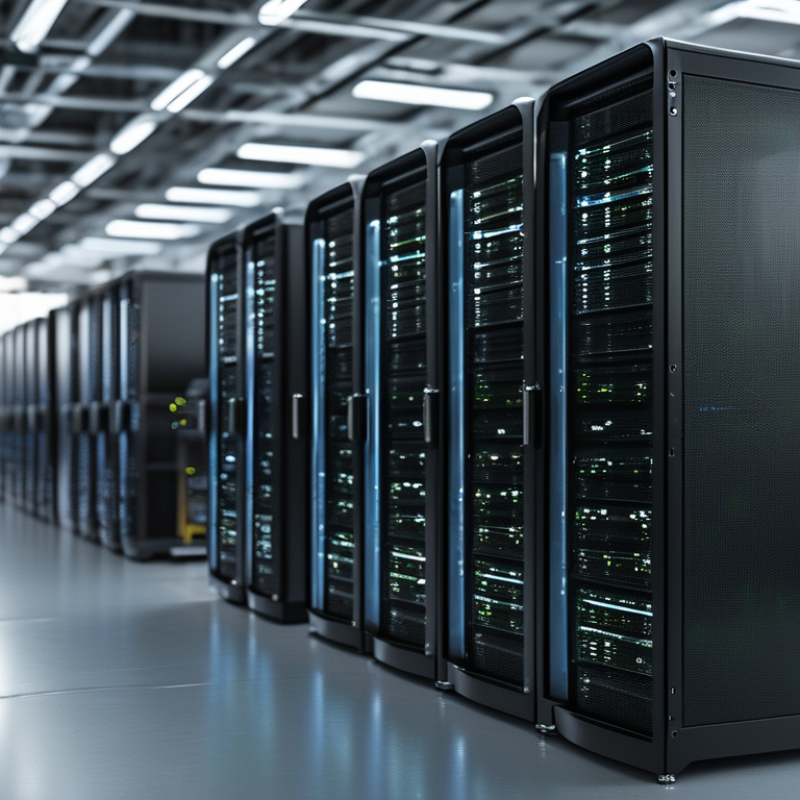
The enterprise AI server market in China is rapidly evolving. As businesses turn to AI solutions, the demand for powerful servers has surged. This trend presents opportunities for local manufacturers. They are investing heavily in research and development to meet global standards.
Chinese manufacturers focus on improving server performance. They aim to optimize processing capabilities and energy efficiency. However, challenges remain, such as navigating international tech regulations and competition.
These issues can hinder growth despite technological advancements. Moreover, quality control plays a crucial role. Some manufacturers face criticism for inconsistent product quality. This impacts their reputation and market share. Buyers need to conduct thorough research before making decisions. Trustworthiness in a supplier is paramount in this competitive landscape.
China's enterprise AI server manufacturing industry is rapidly evolving. The country boasts a range of manufacturers focusing on advanced computing technology. Each player contributes unique expertise and innovations, enhancing the global supply chain.
Many Chinese manufacturers have established strong research and development teams. They invest significantly in AI and machine learning technologies. These initiatives improve efficiency and performance in various applications. However, some products may lack international certifications, which can affect their acceptance in certain markets.
Moreover, while many companies excel in production capabilities, scalability remains a concern. Limited global outreach can hinder their competitiveness. The landscape is diverse, with some players showing potential, yet challenges in quality assurance persist. These factors make buyers cautious when selecting suppliers in this dynamic sector.
Chinese AI server manufacturers are at the forefront of technological innovation. They leverage advanced hardware and software to enhance computing power. Processing large datasets with speed and efficiency is a major focus. Many companies invest heavily in research and development to stay competitive.
One significant trend is the integration of AI capabilities directly into the server architecture. This allows for real-time data processing and improved machine learning performance. Enhanced thermal management systems are also emerging. These innovations minimize energy consumption while maximizing output.
However, challenges remain. Many manufacturers face difficulties in scaling production while maintaining quality. Rapid technological advancements can make it hard to keep up with global standards. Continuous iteration and feedback from users are essential for improvement. The evolution of AI servers will depend on these adjustments and refinements.
The global market is significantly influenced by Chinese enterprise AI server exports. In recent years, the export value of AI servers from China reached approximately $8 billion. This growth reflects the increasing demand for advanced computing solutions worldwide. According to a recent report, China accounts for nearly 25% of the global AI server supply chain. Such a percentage underscores the strategic importance of Chinese manufacturers in the global landscape.
These servers offer cutting-edge technology, driving innovations in various sectors. The rapid proliferation of AI applications necessitates robust infrastructure, and Chinese exports fulfill this requirement. However, some concerns arise regarding quality and reliability. Buyers must conduct thorough assessments of potential suppliers. An essential aspect to consider is the varying quality standards among different manufacturers.
Tips: When sourcing AI technology, prioritize suppliers with established industry certifications. Develop partnerships based on transparency, ensuring both parties understand quality expectations. Regular audits of supplier practices can mitigate risks and enhance long-term collaborations. It is vital to remain discerning and vigilant in this dynamic market. Adjusting to new technologies before fully established standards can lead to unforeseen challenges.
The enterprise AI server sector in China is rapidly evolving. Major advancements are being made in processing power and efficiency. Companies are increasingly focused on developing AI solutions that cater to various sectors. This includes healthcare, finance, and logistics. As AI technology progresses, the demand for robust servers grows. These servers need to handle vast amounts of data quickly and securely.
In addition to performance, sustainability is becoming crucial. Manufacturers are exploring energy-efficient designs. This goal aligns with global efforts to reduce carbon footprints. Despite this progress, challenges remain. The technology landscape is competitive and constantly changing. Not all manufacturers adapt well. Many still rely on traditional designs that may not meet modern demands.
Furthermore, talent acquisition is a hurdle. The skilled workforce needed to innovate in AI is limited. Companies struggle to find experts in machine learning and data science. This gap can hinder growth. Collaborative efforts between universities and industry could help. However, changes take time, and the path forward is not always clear.
| Manufacturer | Annual Revenue (in billion USD) | Market Share (%) | Number of Employees | Research & Development Investment (in million USD) |
|---|---|---|---|---|
| Manufacturer A | 5.2 | 15 | 3000 | 200 |
| Manufacturer B | 4.8 | 12 | 2500 | 150 |
| Manufacturer C | 6.5 | 18 | 4000 | 250 |
| Manufacturer D | 3.9 | 10 | 1800 | 100 |
| Manufacturer E | 7.1 | 20 | 5000 | 300 |
I server technology?
AI is integrated to enable real-time data processing and improve machine learning performance.
Enhanced thermal management systems are being developed to reduce energy consumption.
Many struggle to scale production while ensuring quality and meeting global standards.
Sustainability is crucial, with a focus on energy-efficient designs to reduce carbon footprints.
Healthcare, finance, and logistics are increasingly using enhanced AI solutions.
There is a limited skilled workforce in machine learning and data science fields.
Partnerships between universities and industry may help bridge skill gaps, but changes are slow.
Some manufacturers still use outdated designs that may not meet modern demands efficiently.
Continuous user feedback is essential for refining and improving AI server technology.
The enterprise AI server market in China is rapidly evolving, with significant advancements in technology and a growing array of key players in the manufacturing sector. These enterprise AI server manufacturers are not only catering to domestic demands but also positioning themselves as formidable competitors in the global market. Through innovations in processing power, energy efficiency, and scalability, Chinese manufacturers are enhancing the capabilities and appeal of their AI servers.
As the global demand for AI technology rises, Chinese enterprise AI server exports are increasingly impacting international markets. Future trends indicate a continued focus on performance optimization and integration of cutting-edge technologies, such as edge computing and enhanced machine learning capabilities. Overall, the landscape for enterprise AI server manufacturing in China reflects a dynamic shift towards greater innovation and global competitiveness.
