Zentraix
Selecting the right AI server hardware manufacturer is crucial for businesses today. As technology evolves, so do the specific needs of companies relying on AI. Tim Moore, a leading expert in the field, once stated, "To make the best choice, you must understand your unique requirements." This emphasizes the importance of aligning hardware with one’s operational demands.
In the AI landscape, performance, reliability, and support stand out as vital features. Each manufacturer offers different strengths. However, not all may meet your unique needs. For instance, some may excel in providing bespoke solutions, while others focus on cost efficiency. Navigating these options can be daunting.
Potential buyers face many choices. It’s easy to get overwhelmed by technical specifications. Reflecting on their past experiences can help refine expectations. Ultimately, taking the time to evaluate each AI server hardware manufacturer will yield better outcomes. Trust your judgment complemented by expert insights to make a well-informed decision.
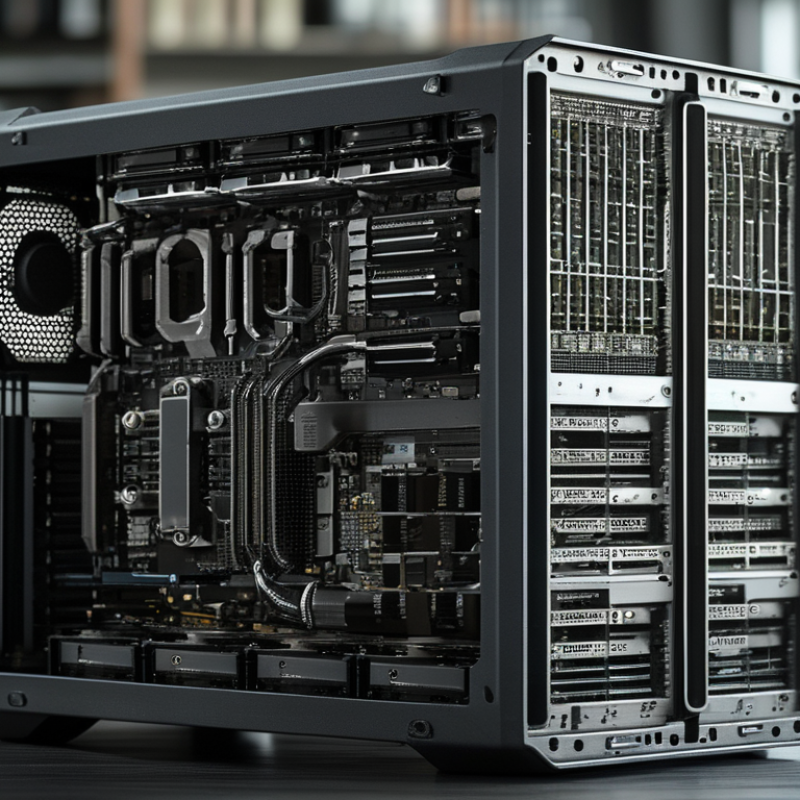
When it comes to choosing AI server hardware, understanding your specific requirements is crucial. Assess the type of AI applications you will run. For deep learning tasks, robust GPUs are often necessary. Application workloads dictate performance needs. Consider the scale, too. Are you processing a few models or hundreds? The answer guides your hardware choices.
Evaluate factors like memory, storage, and network speed. High memory capacity can enhance data handling. Storage solutions should support fast read/write speeds. Data-intensive operations thrive on optimized I/O performance.
Many overlook cooling systems, yet they significantly affect hardware longevity. Take time to research specifications.
It's also worth reflecting on future requirements. As your needs evolve, so must your infrastructure. Will the hardware you choose accommodate upgrades? Think critically about your current and anticipated workloads.
Engaging with expert communities can provide insights. Online forums and technology meetups are great places for discussions. Balancing cost, performance, and scalability is key to making an informed decision.
When selecting an AI server hardware manufacturer, several key factors come into play. Assess the manufacturer’s experience. A company with a solid track record is often a reliable choice. Look for testimonials and case studies that highlight their expertise. These insights help you gauge their capability to meet your specific needs.
Evaluate technical support and customer service. A responsive support team can make a significant difference in your experience. Check if they offer 24/7 assistance or dedicated representatives. This support can alleviate potential frustrations during installation and maintenance. Reliability often hinges on the quality of their service.
Lastly, consider the scalability of their solutions. As your needs grow, your hardware must adapt. Manufacturers that provide flexible options are essential. Not all products will suit every scenario, and some may lack long-term sustainability. Invest time in comparing different manufacturers. A thorough investigation prevents costly mistakes down the line.
When selecting an AI server hardware manufacturer, reputation matters significantly. Look for companies with a proven track record. Their experience in the industry can indicate reliability. Consider their history of partnerships and successful projects. Manufacturers with a solid reputation are often more trustworthy. They have likely navigated market challenges, adjusting to new technologies and demands.
Researching online reviews can provide insight into customer satisfaction. Community forums can also reveal user experiences. Transparency is key; manufacturers should share details about their development and support processes. A reliable manufacturer openly discusses their successes and failures. This honesty allows you to gauge their commitment to constant improvement.
Engage directly with potential manufacturers. Ask questions about their technology stack and support services. This interaction can highlight their expertise and willingness to help. A manufacturer focused on long-term relationships often demonstrates better service. Remember, a confident response can indicate a depth of knowledge that many companies might lack.
When selecting the best AI server hardware, focusing on performance and scalability is crucial. Performance depends on various factors like processor speed, memory capacity, and storage type. Look for systems equipped with high-core-count CPUs and faster RAM. This combination enhances data processing capabilities. Graphics processing units (GPUs) also play a vital role. They accelerate training for machine learning models. Selecting a balance of these components is essential.
Scalability refers to the ability to expand your hardware as your needs grow. A system that allows for easy upgrades or additional components can save time and money. Some designs facilitate adding more GPUs or memory modules down the line. Check the manufacturer's support for such expansions. This adaptability can extend the hardware's lifespan, making it a more reliable investment.
Evaluating options requires careful research, and even experts can overlook specific requirements. It's vital to assess how much workload you'll encounter now and in the future. Testing different configurations can lead to insights that documents alone may not provide. Real-world performance and feedback from users can reveal strengths and weaknesses. Reflecting on these experiences will guide you toward a better decision.
When evaluating AI server hardware manufacturers, support and warranty services are critical. The best manufacturers offer robust support systems. According to a recent Gartner report, 71% of businesses emphasize the importance of technical support in choosing a hardware supplier. A manufacturer that provides 24/7 support can minimize downtime, which is vital for AI workloads.
Warranty terms can significantly impact your decision. For instance, a study by IDC indicates that longer warranty periods correlate with higher customer satisfaction. Look for warranties that cover parts and labor for multiple years. Some manufacturers may have tempting five-year plans, but it’s essential to read the fine print. Are there exceptions? Are third-party repairs allowed?
Moreover, manufacturers that provide training and resources enhance the user experience. AI technologies can be complex. A vendor’s willingness to support your team through the initial setup can save your organization time. However, some companies fail to offer adequate training, leaving customers in the dark. Consider these factors carefully. Evaluating support and warranty services can be the difference between a successful deployment and an unexpected challenge.
: Focus on the manufacturer's experience and track record. Testimonials can provide insights into their capabilities.
Technical support is crucial. A responsive team can greatly improve your experience and reduce frustrations.
Scalability allows you to expand hardware as needs grow. Look for options that facilitate upgrades easily.
Performance relies on factors like processor speed and memory. High-core CPUs and fast RAM enhance data processing.
GPUs are vital for speeding up machine learning training. Balance components for optimal performance in AI workloads.
Longer warranties often indicate higher satisfaction. Read the fine print to understand coverage and exceptions.
Yes, training is essential. Companies lacking training resources may leave you struggling with complex technology.
Assess current and future workload needs. Real-world testing can reveal strengths and weaknesses of different configurations.
Absolutely. Strong support and clear warranty can mean the difference between smooth deployment and unexpected issues.
Invest time in comparing options. Careful investigation and reflections on experiences help make informed decisions.
Choosing the best AI server hardware manufacturer involves a thorough understanding of your specific hardware requirements. It's essential to identify the unique demands of your AI applications and ensure that the manufacturer can meet these needs effectively. Key factors to consider include the manufacturer's reputation, experience in the field, and the performance and scalability of their hardware options.
Evaluating these aspects will provide insight into the manufacturer's capability to deliver reliable solutions. Additionally, assessing the support and warranty services they offer is critical, as ongoing assistance can significantly impact the long-term success of your AI projects. By focusing on these criteria, you can make an informed decision that aligns with your organization's goals and ensures optimal performance from your AI server hardware.
